Is a Coachella Valley Home Right for Seasonal Rental?
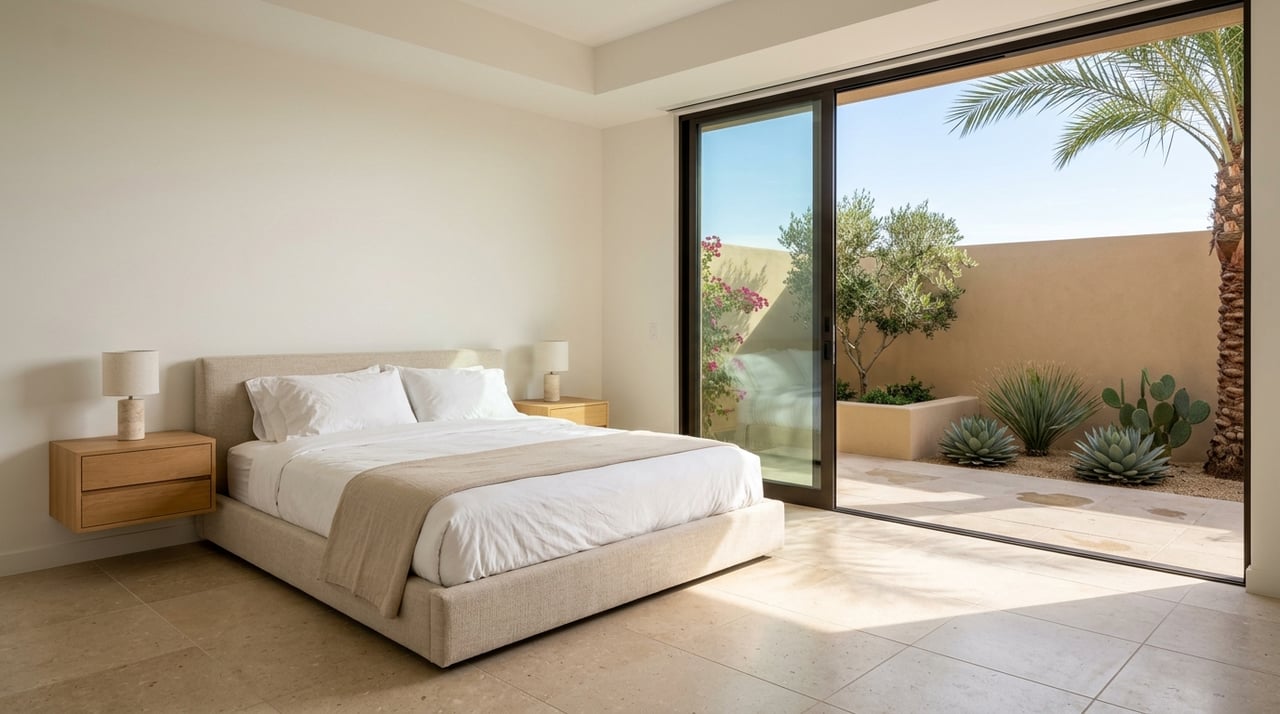
If you own a home in Palm Desert, turning it into a seasonal rental can sound like an easy way to bring in extra income, especially during the Coachella Valley’s busy visitor season. But in this market, the right answer depends on more than demand alone. You need to look at city rules, HOA limits, seasonality, taxes, and the day-to-day work of hosting before you decide. Let’s dive in.
In Palm Desert, a short-term rental is a privately owned residential dwelling rented for fewer than 27 consecutive nights. Before you advertise or rent the property, you need a permit, and the city’s public materials currently list a $29 application fee. If your home is in an HOA, the city also says you must submit an HOA approval letter annually when applicable, according to the City of Palm Desert short-term rental information.
Palm Desert also separates rentals into on-site and off-site categories. An on-site short-term rental is tied to your primary residence, where you remain on the property during the guest’s stay. An off-site short-term rental applies when you live elsewhere, as outlined in the city ordinance.
That distinction matters because zoning and eligibility are not the same for every property type. Current code allows on-site rentals in several residential and downtown zones, while off-site rentals are allowed only in certain zones and are prohibited in apartments, ADUs, and JADUs. For some homes with one bedroom or less, on-site eligibility is also limited under the same Palm Desert municipal code.
Palm Desert’s current ordinance sets a three days / two nights minimum stay. Occupancy is capped at two guests per bedroom, and daytime guest limits also apply. If you were hoping to use your home for frequent quick-turn stays or larger group bookings, those rules may affect how practical the property is as a seasonal rental.
The city also has operating standards that are more hands-on than many owners expect. Permit numbers must appear in advertisements, trash must be kept out of public view, and the property must comply with local noise and parking rules. These details may seem small, but they can have a big impact on whether your setup is realistic and compliant.
A city permit does not mean your HOA has to allow short-term rentals. Under California Civil Code §4741, common-interest developments may still prohibit transient or short-term rentals of 30 days or less.
That means your first review should include both the city code and your HOA documents. If your community restricts rentals, your plan could stop there, even if the home would otherwise qualify with the city. For many Palm Desert homeowners, this is one of the biggest decision points.
If your property is in the HPR zone, timing is especially important. Palm Desert no longer issues new off-site short-term rental permits in that zone, and existing off-site permits there are scheduled to end on December 31, 2026, according to the municipal code.
If you own in that neighborhood type, this is not a small technical detail. It is a material planning factor that can affect how long the property may fit your seasonal rental strategy.
Palm Desert says short-term rentals are subject to 11% TOT plus a 1% GPSTBID assessment for stays of 27 consecutive nights or less. The city also says monthly TOT returns must be filed even if the property was not rented that month. While Airbnb remits the 11% TOT on the host’s behalf, the owner still has to handle the 1% TBID assessment under the city’s STR tax guidance.
This is one of the clearest reasons seasonal rentals should be treated like a business decision, not a casual side project. If you only want occasional bookings, the filing and recordkeeping requirements may still be there month after month.
The Coachella Valley has a strong vacation-rental market, but it is also a competitive one. Visit Greater Palm Springs says the region has more than 8,000 vacation rental homes. That shows there is established demand, but also plenty of other properties competing for the same guests.
The seasonality is hard to ignore. Published data for professionally managed vacation rental homes in Greater Palm Springs showed paid guest occupancy at 23% in December 2025, 33.8% in January 2026, and 47.7% in February 2026, based on regional vacation rental data. Average daily rates also changed materially from month to month, which means revenue potential can move around with the calendar.
The climate helps explain why. According to NOAA climate normals for Palm Springs Regional Airport, average daily highs are about 70.5°F in January and 73.7°F in February, then rise to 108.6°F in July and 108.1°F in August. Cooler months generally align better with visitor demand than peak summer heat.
Spring is one of the biggest reasons many owners look at seasonal rentals in the first place. Visit Greater Palm Springs’ 2026 spring update highlights major regional events such as the BNP Paribas Open, Fashion Week El Paseo, Palm Desert Food & Wine, Coachella, and Stagecoach.
That event calendar can create valuable booking windows, particularly in late winter and spring. But event-driven demand is not the same as year-round consistency. If your numbers only work during a few peak weeks, the strategy may be less stable than it first appears.
A seasonal rental has to compete for attention and reviews. Guesty’s host guidance emphasizes practical basics such as depersonalizing the space, maintaining hotel-level cleanliness, and stocking essentials like a complete kitchen, strong Wi-Fi, linens, towels, toiletries, and clear house rules.
That lines up with Palm Desert’s own operating requirements. The city requires the host or operator to meet and greet the responsible person on site or virtually, provide the Good Neighbor Brochure, post the permit inside the unit, and share quiet-hour, trash, and occupancy information with guests. Guests also must not make sound audible beyond the property boundaries between 10 p.m. and 10 a.m., according to the city code.
In other words, success usually depends on both presentation and process. A beautiful home is helpful, but it still needs a smooth guest experience and a clear compliance system behind it.
Some homes look great online but are difficult to operate under local rules. Palm Desert requires all short-term rental parking to be entirely on site, whether in the garage, carport, driveway, or another off-street area. If your property has limited off-street parking, that may be a real constraint even if the interior is attractive.
The response requirement is another major factor. The host or operator must be available 24/7 and respond to complaints within 30 minutes, based on the ordinance. For owners who live out of town or prefer a hands-off setup, that can quickly turn into a management challenge.
Palm Desert can inspect a property before issuing a new or renewal permit, and permits can be suspended or revoked for violations. The code also states that permits must be renewed annually, and renewal can be denied if the unit was not actively operating in the prior calendar year.
That last point matters if you only plan to rent the home occasionally. You should not assume that a permit can sit unused indefinitely and still be renewed later.
The stakes are high for noncompliance. Operating without a valid permit can trigger a $5,000 fine per day, per violation under the municipal code. That is a strong reminder to verify the rules before you list the property anywhere.
If you are trying to decide whether your Palm Desert home should become a seasonal rental, start with these questions:
For many owners, this checklist will tell you more than broad market headlines ever could. The strongest candidates are typically homes in eligible zones, outside restrictive HOA setups, with workable parking, a solid management plan, and numbers that still hold up during slower months.
So, should you turn your Coachella Valley home into a seasonal rental? In Palm Desert, the answer is usually yes only if the property, the rules, and the numbers all line up.
Demand is real, especially in cooler months and during major event season. But the opportunity comes with clear zoning limits, tax obligations, operating requirements, and real enforcement risk. If you want to make a smart decision, it helps to evaluate the property not just as a home, but as an income-producing asset with legal and financial moving parts.
If you want help thinking through how your Palm Desert property fits into the local market, reach out to Jeff Wettstein. With local real estate insight and finance-minded guidance, you can make a clearer decision about whether keeping, selling, or repositioning your home makes the most sense.
Stay up to date on the latest real estate trends.
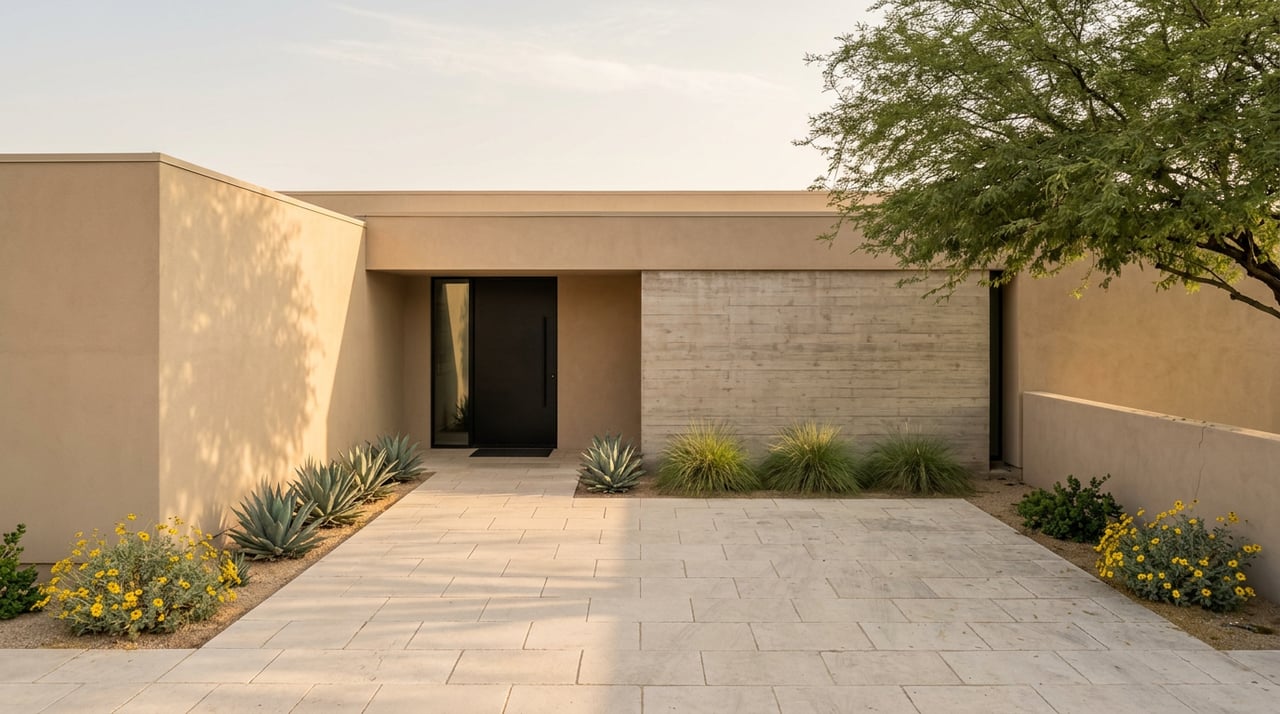
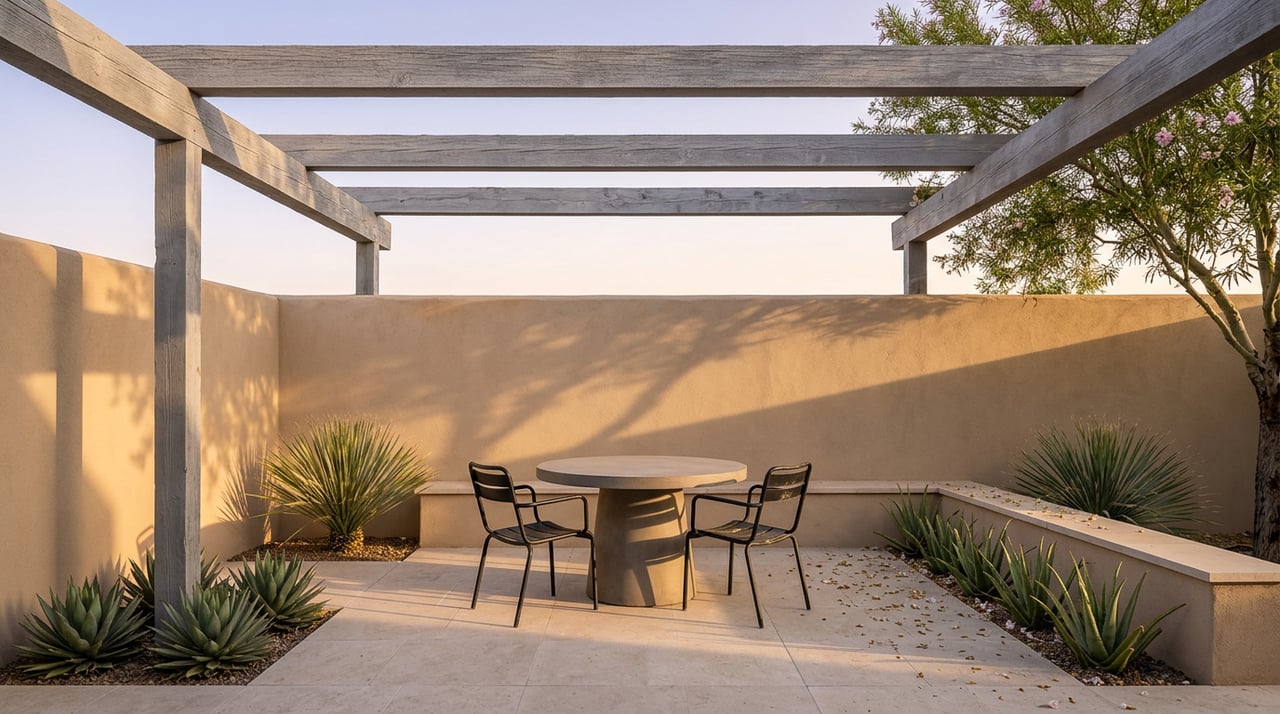
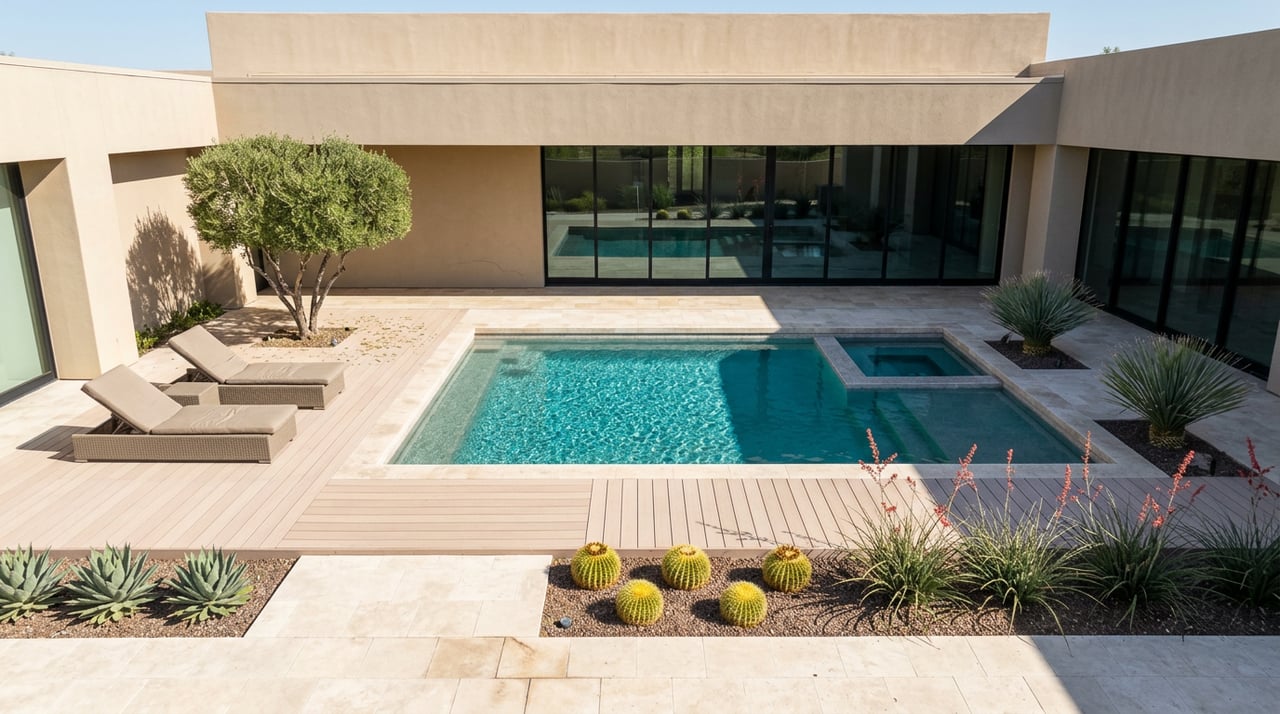
Get assistance in determining the current property value, crafting a competitive offer, writing and negotiating a contract, and much more. Contact me today.