Owning A Second Home In Coachella Valley: Lifestyle And Logistics
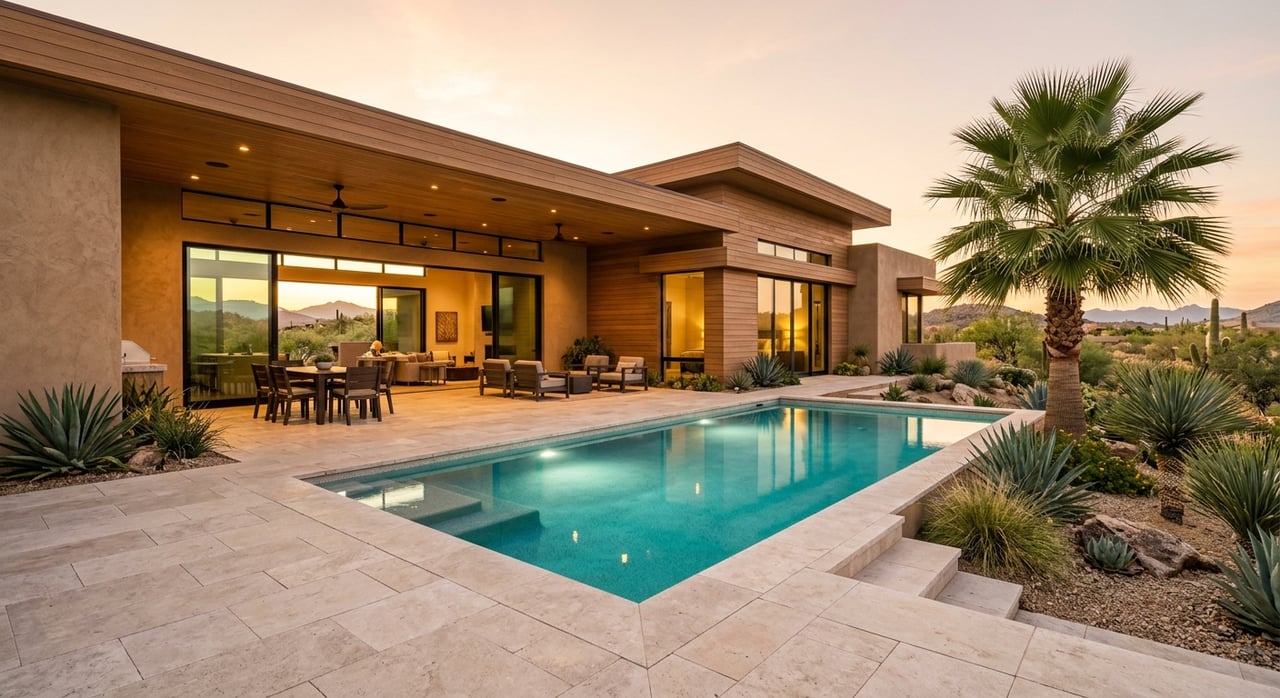
If a second home is supposed to make life easier, the last thing you want is a property that creates more work than freedom. In Palm Desert, the lifestyle can be a huge draw, with sunny weather, arts, golf, events, and easy access to the rest of Coachella Valley. But owning a part-time home here also comes with practical decisions about timing, upkeep, taxes, and possible rental use. If you are thinking about buying a second home in the area, this guide will help you match the dream to the day-to-day reality. Let’s dive in.
Palm Desert positions itself as the heart of Coachella Valley, and that identity shows up in everyday life. The city highlights arts, recreation, shopping, and seasonal events as core parts of the local experience, with culture and recreation offerings that include more than 30 art galleries, hiking and biking trails, Desert Willow Golf Resort, and The Living Desert Zoo & Botanical Garden.
For many second-home buyers, that means your time here can feel full without feeling rushed. You can spend a morning on the trails, an afternoon on El Paseo, and an evening at a local event, all without needing to leave the city. Palm Desert also supports a strong public-art identity, with 79 permanent and 71 developer artworks, which adds to the sense of place.
One of the biggest questions to ask before you buy is simple: when will you really use the home? In Coachella Valley, the answer often centers on the cooler months.
The region is promoted as a place with 300-plus sunny days and warm winter weather, and Visit Greater Palm Springs notes that fall brings a lively stretch of festivals and attractions. That lines up with climate data from NOAA for nearby Palm Springs Regional Airport, which shows average daily highs of 108.6°F in July and 108.1°F in August, with average annual precipitation of 4.61 inches and most rain arriving during winter months.
In plain terms, many owners will enjoy their second home most from late fall through spring. That pattern can shape everything from the type of property you choose to how you plan maintenance, travel, and guest visits.
Your ideal property often depends on how your calendar looks in real life, not just in theory.
A second home works best when getting there is simple. Palm Springs International Airport is the Coachella Valley’s only commercial service airport, and according to the airport’s official overview, it offers nonstop flights to more than 30 destinations and one-stop access to more than 300 cities worldwide.
That kind of access matters if you live out of area. It can make quick check-in trips, long weekends, and maintenance visits much more realistic. If you are buying from another metro area, travel convenience should be part of your decision, not an afterthought.
Palm Desert also offers Visitor Services at the public library, which can be useful when you want updated maps, activity ideas, or event information during your stay. For part-time owners, having local resources close at hand can make each visit smoother.
Second-home ownership is about more than mortgage payment, insurance, and utilities. In Palm Desert, there are a few logistics that deserve close attention before you buy.
If you are buying a true second home, do not assume it will qualify for the same tax treatment as your primary residence. Riverside County states that the Homeowners’ Exemption applies only when the owner occupies the property as a principal residence on January 1, and California allows only one Homeowners’ Exemption overall.
That means your Palm Desert getaway generally should not be treated as your primary residence for that benefit. If your ownership plan involves split time between homes, it is wise to understand how that distinction affects your full cost picture.
Some buyers hope to offset ownership costs by renting the property while they are away. If that is part of your plan, Palm Desert’s rules are important.
The city requires an active short-term rental permit for stays of 27 consecutive nights or less. According to the city’s short-term rental and TOT information, those stays are subject to an 11% transient occupancy tax plus a 1% Greater Palm Springs TBID assessment, and monthly returns are required even in months when the property was not rented.
That reporting requirement can catch owners off guard. If you want flexibility to rent the home, it helps to go in with a clear system for compliance and ongoing administration.
A second home in the desert has a different maintenance profile than a home in a milder climate. Heat, irrigation, landscaping, and stormwater systems all matter, especially if the property may sit vacant for stretches of time.
Palm Desert’s own landscape guidance emphasizes drought-tolerant landscaping, checking sprinklers for overspray, using low-flow sprinkler heads, and watering during cooler parts of the day. The city also points owners toward rebate opportunities for lawn conversion and irrigation improvements.
For absentee owners, this points to a practical lesson: choose a property with upkeep you can manage comfortably. A beautiful yard still needs a plan behind it.
Efficient irrigation is not just about conservation. It can also reduce waste, lower stress on the property, and limit avoidable maintenance calls.
UC ANR notes through the climate and ownership guidance cited in the research that drip irrigation can reduce water use by as much as 50%, and routine leak checks plus early-morning watering are recommended. If you will be away for weeks or months at a time, those simple measures can make ownership easier and more predictable.
If you are considering a home in an HOA-governed community, it is also worth understanding stormwater responsibilities. Palm Desert says HOAs must annually self-certify drainage systems, and the city conducts inspections to identify failures that could contribute to flooding, road damage, or mosquito issues through its storm water program.
The same city resource also highlights Nixle text and email emergency alerts, as well as preparedness information for heat waves and power outages. For part-time owners, emergency planning is not optional. It is part of protecting the property when you are not in town.
Palm Desert can support very different versions of second-home living. Some owners want a quiet winter base. Others want a home that becomes the center of a busy social calendar.
The area’s event lineup can be a major factor in how often you use the property. Discover Palm Desert highlights major draws like Fashion Week El Paseo, Palm Desert Food & Wine, the BNP Paribas Open, the Coachella Valley Music & Arts Festival, Stagecoach, and the Palm Desert Golf Cart Parade.
If those events are part of why you want to buy here, think carefully about proximity, parking, guest space, and ease of locking up and leaving. A home that looks perfect on paper may not feel perfect if it does not fit the way you actually plan to live in it.
Before you start touring homes, ask yourself these questions:
Those answers can help you avoid buying too much home, or not enough home, for your real lifestyle.
Owning a second home in Palm Desert can offer exactly what many buyers want: sunshine, seasonal energy, recreation, and a reliable place to recharge in the Coachella Valley. The key is balancing lifestyle goals with the practical side of ownership, including seasonal weather, tax treatment, rental rules, irrigation needs, and emergency planning.
When you line those pieces up early, you put yourself in a much stronger position to buy with confidence. If you are exploring a second home in Palm Desert and want one-on-one guidance that blends local market insight with financing perspective, connect with Jeff Wettstein for a more informed next step.
Stay up to date on the latest real estate trends.
Get assistance in determining the current property value, crafting a competitive offer, writing and negotiating a contract, and much more. Contact me today.