What to Expect from Coachella Valley Golf Course Homes
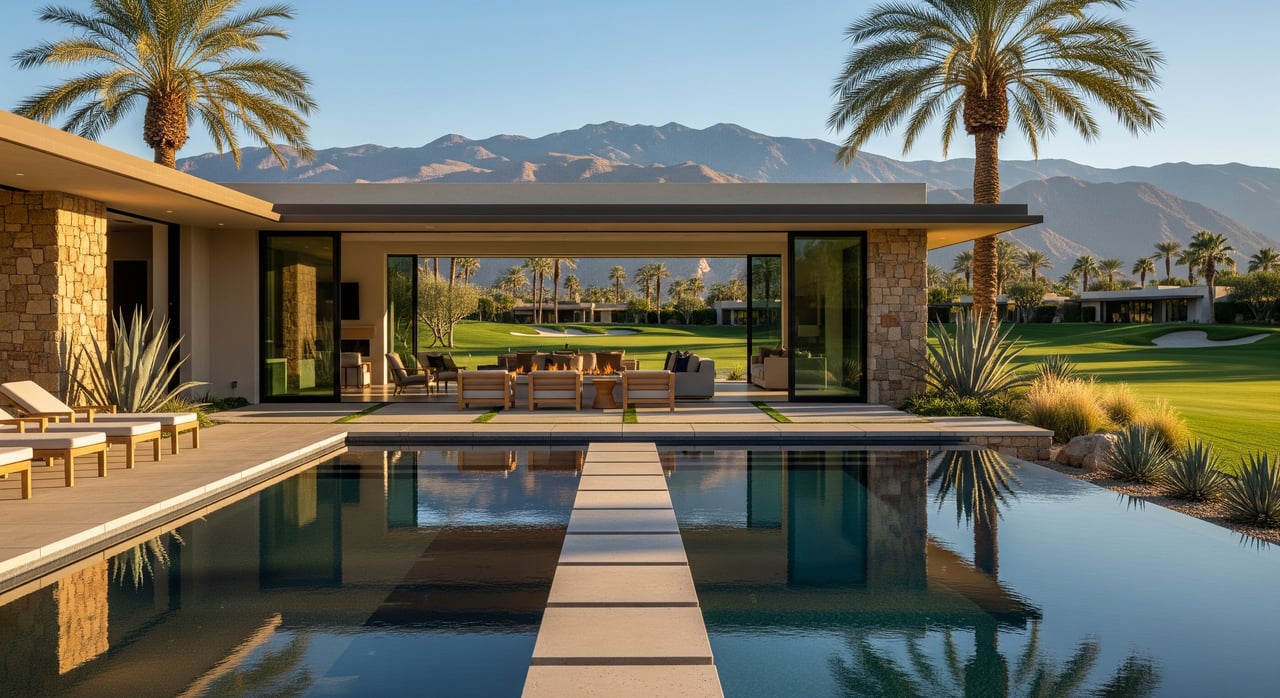
Picture your morning coffee with wide fairway views and purple mountain silhouettes. If you are drawn to Palm Desert’s resort vibe, golf course living can feel like the perfect fit, yet you may wonder about costs, rules, and day-to-day realities you do not see on a tour. This guide lays out what life is really like, from climate and club culture to fees, risks, and smart due diligence. You will walk away with practical steps to choose a community that matches your lifestyle and budget. Let’s dive in.
Palm Desert sits in the eastern Coachella Valley, where summers are long and hot with frequent triple-digit highs, and winters are mild and sunny. This climate shapes your daily routine. Many residents golf, walk, and socialize in the mornings and late afternoons, and use shade, misters, and ceiling fans to make patios comfortable.
Seasonality matters. Winter is the social high season with full club calendars and many part-time residents in town. Summer is quieter and very warm, so communities often scale back events. Occasional high winds and monsoonal storms can impact outdoor plans, and dust can affect air quality on certain days.
If you are comparing locations within the valley, regional planning and resources from the Coachella Valley Association of Governments and the City of Palm Desert can help you understand local infrastructure, transportation, and community services that support day-to-day life in golf neighborhoods.
The appeal is obvious: expansive fairway and mountain views, sunrise and sunset skies, and a sense of openness you do not always find in denser neighborhoods. Many communities include walking paths along fairways, community pools and spas, tennis or pickleball courts, and on-site dining or fitness facilities.
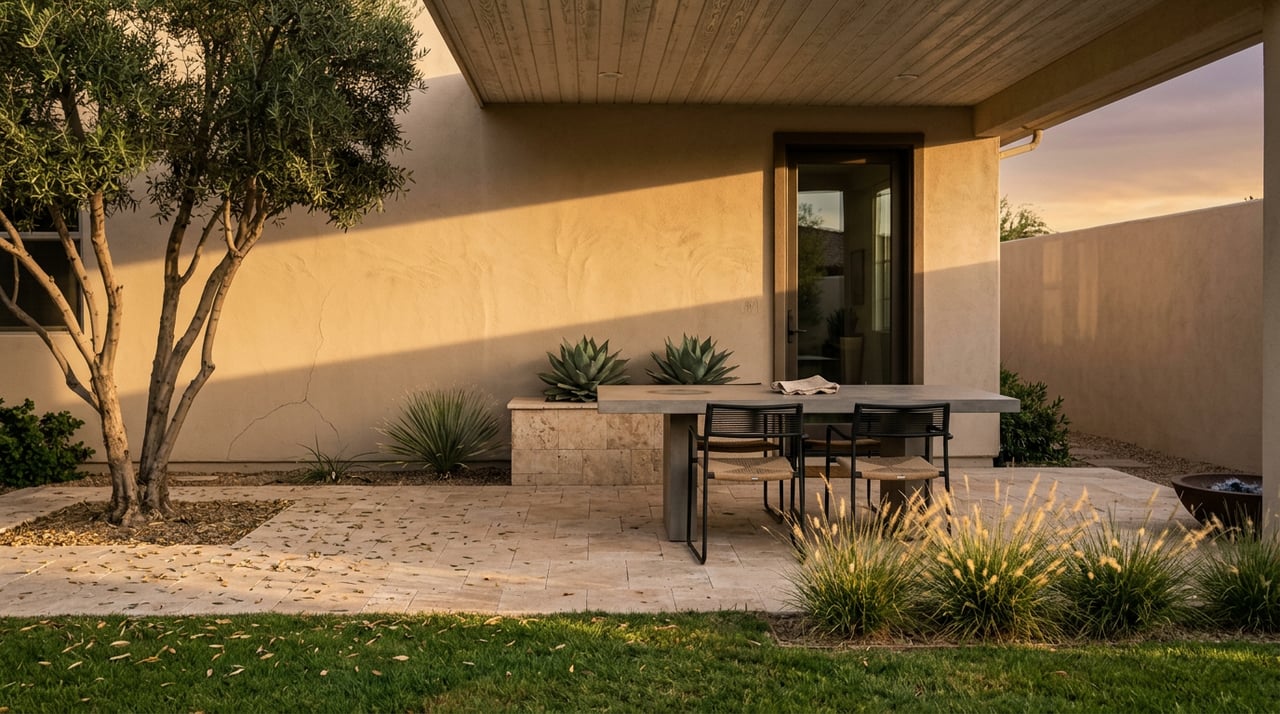
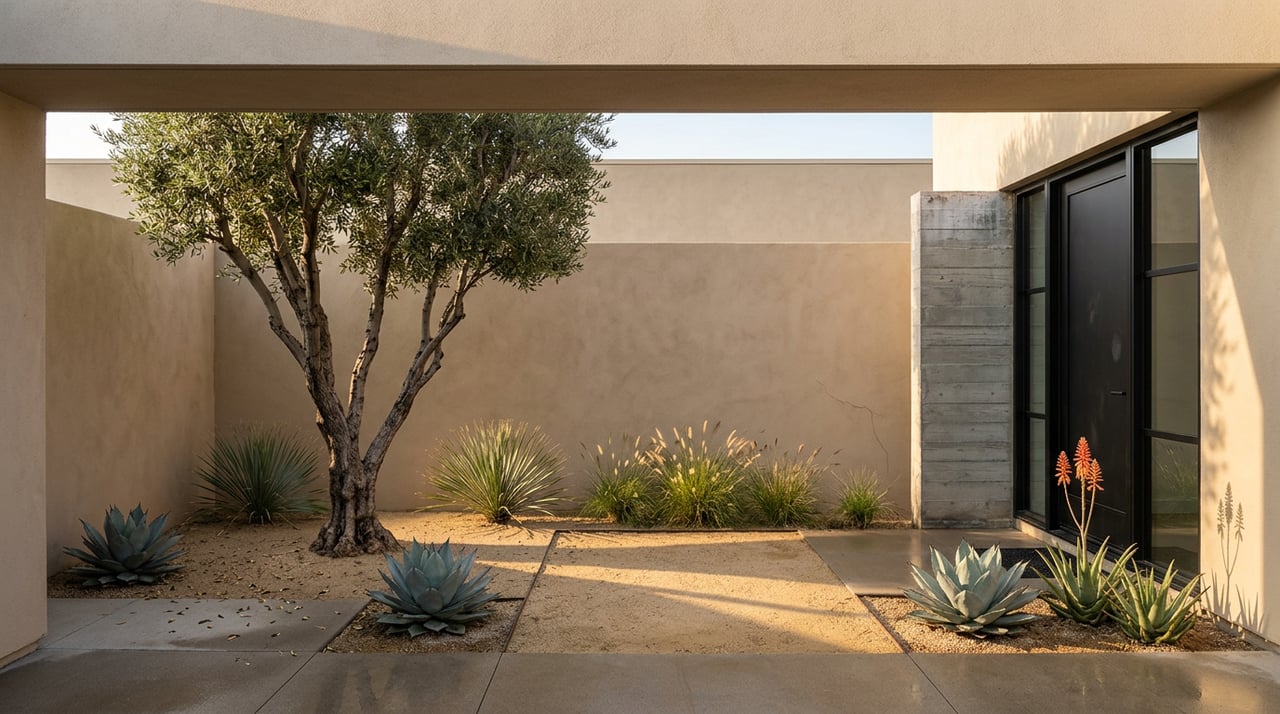
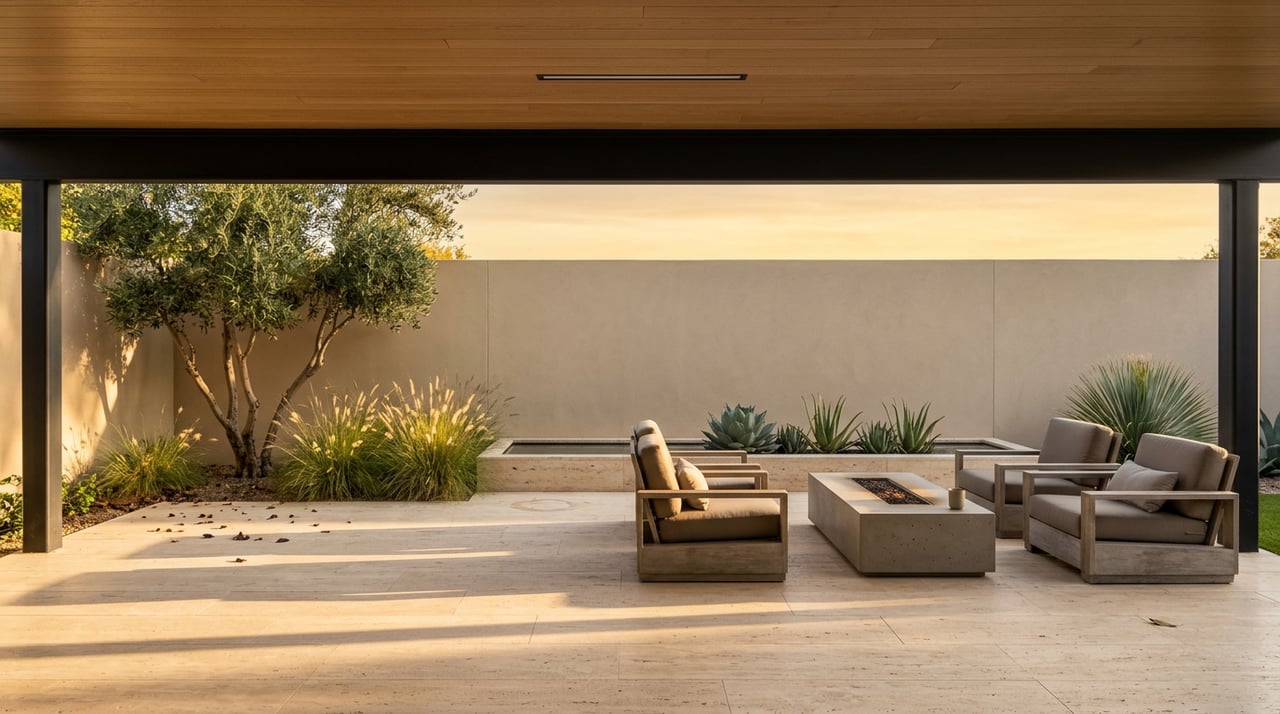
You will likely spend a lot of time outdoors, especially in winter. Patios often include shade structures, fans, and low-water landscaping with desert-adapted plants. Some course edges retain turf to keep the green corridor aesthetic.
Social life depends on the club model. Private and semi-private clubs run member events like dinners, wine tastings, and tournaments. Public course neighborhoods feel more casual, and you can still access the broader Palm Desert scene, from local galleries to the El Paseo shopping corridor.
You will find a range of properties:
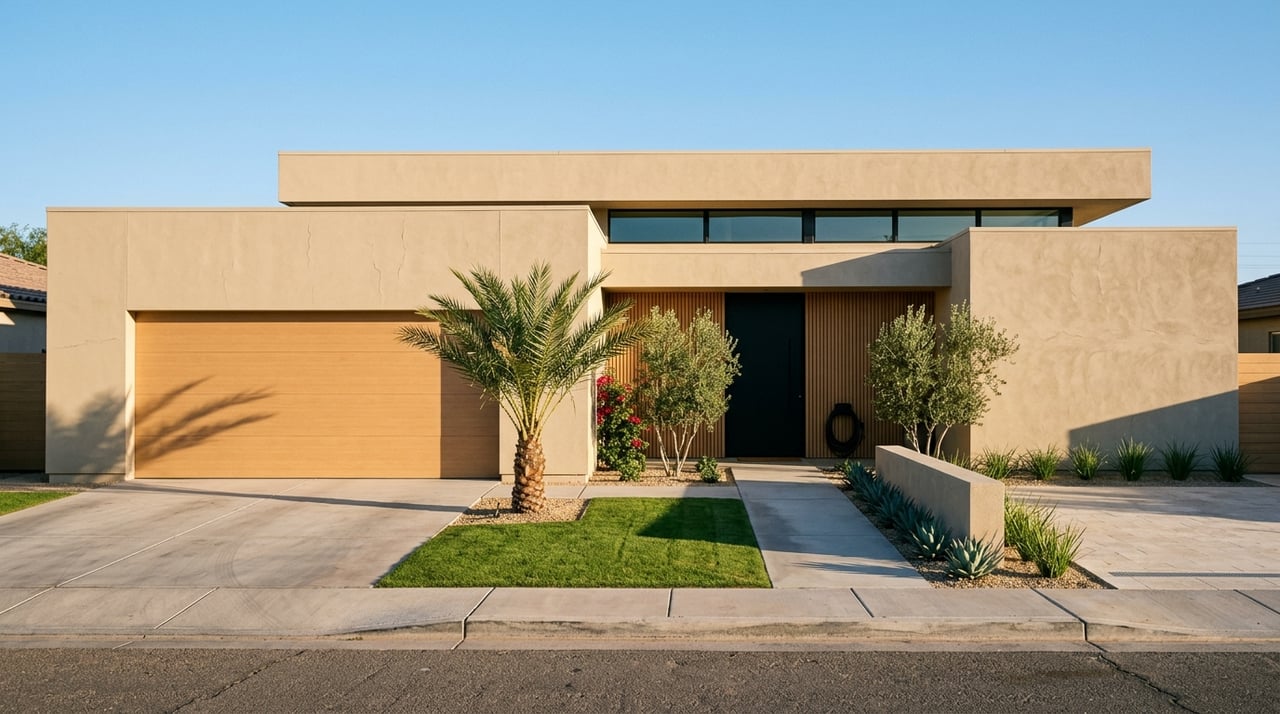
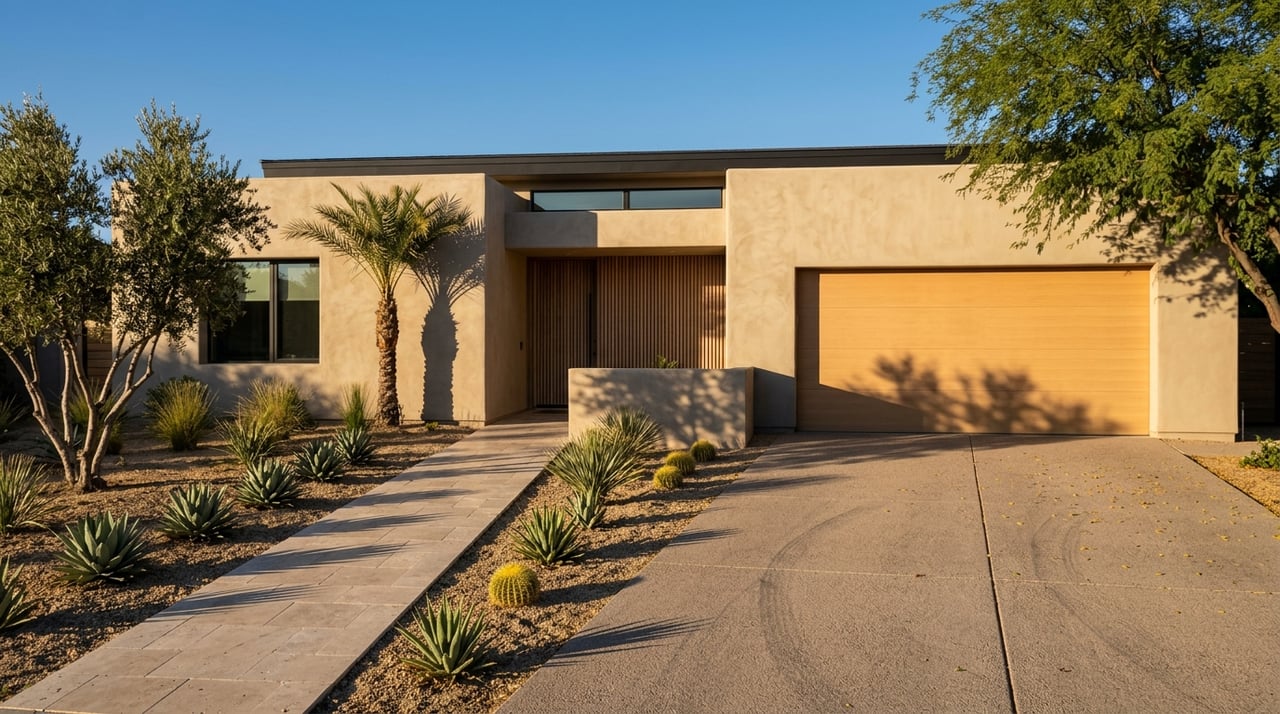
Ages vary from mid-century residences to newer luxury builds. Your choice comes down to how much maintenance you want, how close you want to be to amenities, and whether you prefer a lock-and-go condo or a private home with its own yard and pool.
Not every golf community has the same rules. Some clubs are private and require initiation fees and annual dues for golf privileges. Others offer social memberships without golf. Semi-private and public courses may not require homeowners to join at all.
HOA relationships also vary. In many cases, the HOA covers common-area landscaping, gates, pools, and clubhouse maintenance, while the golf course is funded by the club, not HOA dues. There are exceptions, and special assessments can occur, so it is important to review documents and ask detailed questions before you buy.
Key question for your search: Is golf membership required or optional for homeowners, and what are the initiation, transfer, and annual costs?
Recurring expenses are a big part of the decision. Plan for:
Water policy can influence aesthetics and costs. State and local drought management can change turf and irrigation practices over time. For broader context, review drought and conservation guidance from the California Department of Water Resources.
Living on a fairway is beautiful, but it comes with activity. Early morning maintenance can include mowers and blowers. You may notice golf cart traffic near paths and, in some locations, occasional stray balls.
Ask for maintenance calendars and chemical application schedules so you can plan around them. Wildlife is part of the desert setting, including birds, mammals, and reptiles, especially along course edges.
Golf adjacency can command a premium, but it is still a niche. Values can be sensitive to trends in golf participation, club finances, and course status. Some communities have downsized turf or repurposed course land due to rising maintenance and water costs. Local news outlets have covered these changes across the valley; browse coverage from The Desert Sun to understand how course conversions have affected neighborhoods.
Before you buy, verify who owns the course land, how it is governed, and whether there are recorded rights that allow a change of use. This helps you assess the long-term stability of the views and open space you are paying for.
Environmental and regulatory factors also matter. Water scarcity and outdoor watering rules can affect the look and costs of landscaping. Desert storms can produce localized runoff, so check community drainage and flood information. If you have health or environmental concerns, ask about pesticide and fertilizer policies and integrated pest management practices.
When you tour golf course homes, bring this list and build it into your offer contingencies.
Questions to ask sellers, the HOA, and the club:
Inspection and document review:
Negotiation ideas:
The Coachella Valley’s winter weather invites full days outdoors. In summer, plan morning tee times, twilight rounds, or indoor fitness during peak heat. Many residents invest in shade, fans, and efficient cooling to make patios and interiors comfortable.
For high-level climate context and planning tools, review federal climate resources from NOAA. Use them to set expectations for temperature ranges and seasonal patterns.
Each community is different. Some are self-contained with on-site dining and fitness. Others put you a short drive from dining, galleries, shopping, and regional medical centers.
If you want a central base, explore how each neighborhood connects to the area’s main corridors and services. City resources at the City of Palm Desert can help you evaluate parks, programs, and community facilities. Regional planning context at CVAG can guide your understanding of transportation and environmental initiatives that shape the area.
Budget with the full picture in mind. That means principal and interest, property taxes, insurance, HOA dues, and any club costs. Electricity for cooling and water for landscaping can be material line items in the desert, especially for larger homes or properties with turf.
If you are comparing a condo with higher HOA dues to a single-family home with more utility and maintenance costs, look at the all-in monthly number. Account for reserves and planned assessments so you are not surprised later. A clear budget helps you choose the best-fit community.
Use a simple, practical process:
Define your lifestyle drivers. Golf frequency, social programming, pickleball or fitness, and how often you plan to be in town.
Decide on property type and maintenance level. Lock-and-go condo or villa, or a home with a private yard and pool.
Clarify membership rules. Required or optional, initiation costs, annual dues, and any dining or minimum spend policies.
Model the monthly budget. Compare all-in costs across two or three target communities.
Review documents and walk the grounds. Read HOA and club documents, visit at different times of day, and observe activity near the home’s lot.
Build smart contingencies. Ensure you have the right to review documents and verify course status before you remove contingencies.
When you are ready to take the next step, get local guidance and finance-savvy advice in one place. Reach out to Jeff Wettstein for a tailored list of communities, a walkthrough of membership terms, and a clear budget for your top picks.
Stay up to date on the latest real estate trends.
Get assistance in determining the current property value, crafting a competitive offer, writing and negotiating a contract, and much more. Contact me today.