Smart Pricing Strategies for Waterfront Homes in Canyon Lake
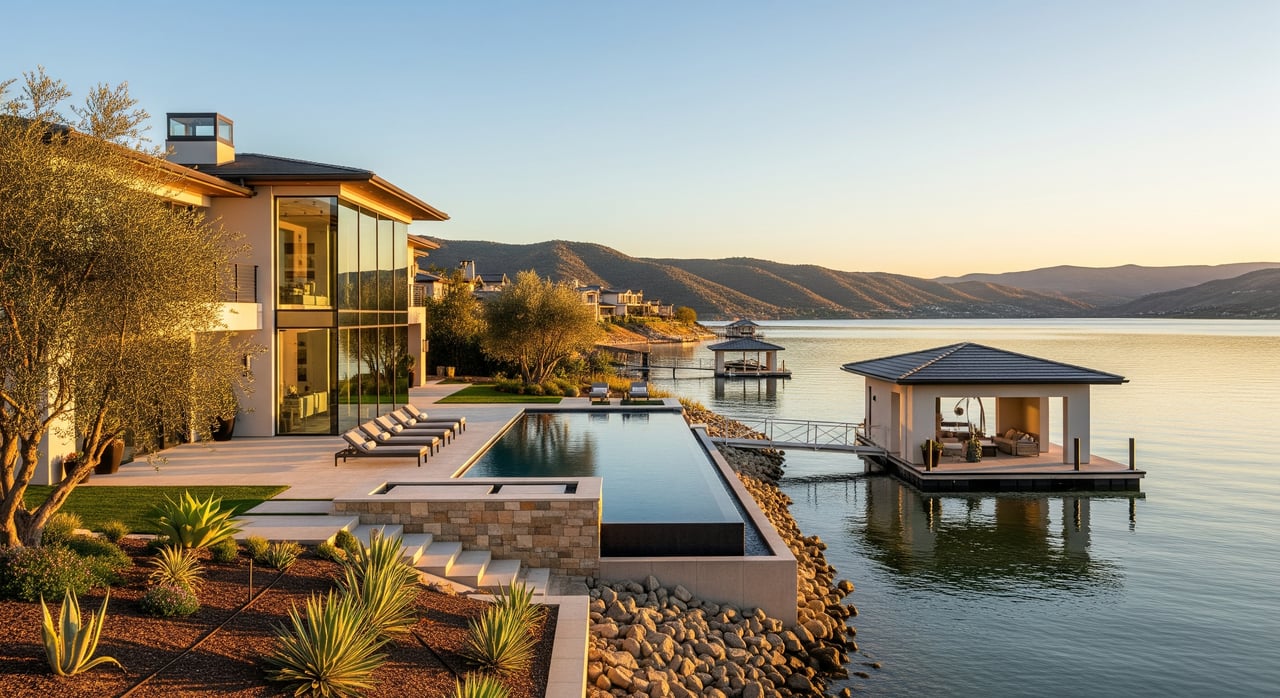
Pricing a waterfront home in Canyon Lake can feel tricky. You know the lake lifestyle is special, but you also see big price swings from one shoreline to the next. If you want a number that attracts strong buyers without leaving money on the table, you need a clear, local playbook. In this guide, you’ll learn exactly how to weigh dock rights, main-lake vs cove exposure, views, HOA rules, flood and insurance factors, and the right comps for Canyon Lake. Let’s dive in.
Canyon Lake is a private, gated community wrapped around a reservoir, and that changes how buyers think about value. Community rules, dock permits, and shoreline improvements often live in HOA records as well as county files. Before you price, plan to verify the legal and practical details that affect day-to-day use.
You also want the freshest market context. Track recent waterfront sales in your immediate shoreline area and note how long homes took to sell. If inventory is thin, you may broaden the time window, but keep the focus on true waterfront comps first.
Not all waterfront is equal. Classify your home precisely so you can compare like with like.
Main-lake frontage often commands a premium for open-water views, longer sight lines, and easy boating. Coves can trade at a discount, yet some buyers prefer calmer water and added privacy. Your goal is to document waterline exposure, distance to the main channel, and typical boat traffic or noise at peak times.
When possible, compare against recent sales with the same exposure type. If both main-lake and cove sales exist nearby, estimate the differential using paired sales or percentage adjustments based on the most similar matches.
Buyers pay for wide, unobstructed water views. West-facing outdoor spaces may draw interest for sunset exposure. Constrained views, visible neighbor docks, or vegetation can soften value. Capture view lines with photography, note any obstructions, and be aware of community rules around trimming or improvements that could affect views.
Raw linear shoreline footage can mislead. What matters is usable access. A steep bank, heavy riprap, or limited launch area reduces day-to-day enjoyment. Note the presence and condition of seawalls, stairs, ramps, and any work that might require community or dam approval.
Dock details can be one of the largest value drivers in Canyon Lake. Treat them like a separate asset that needs its own due diligence.
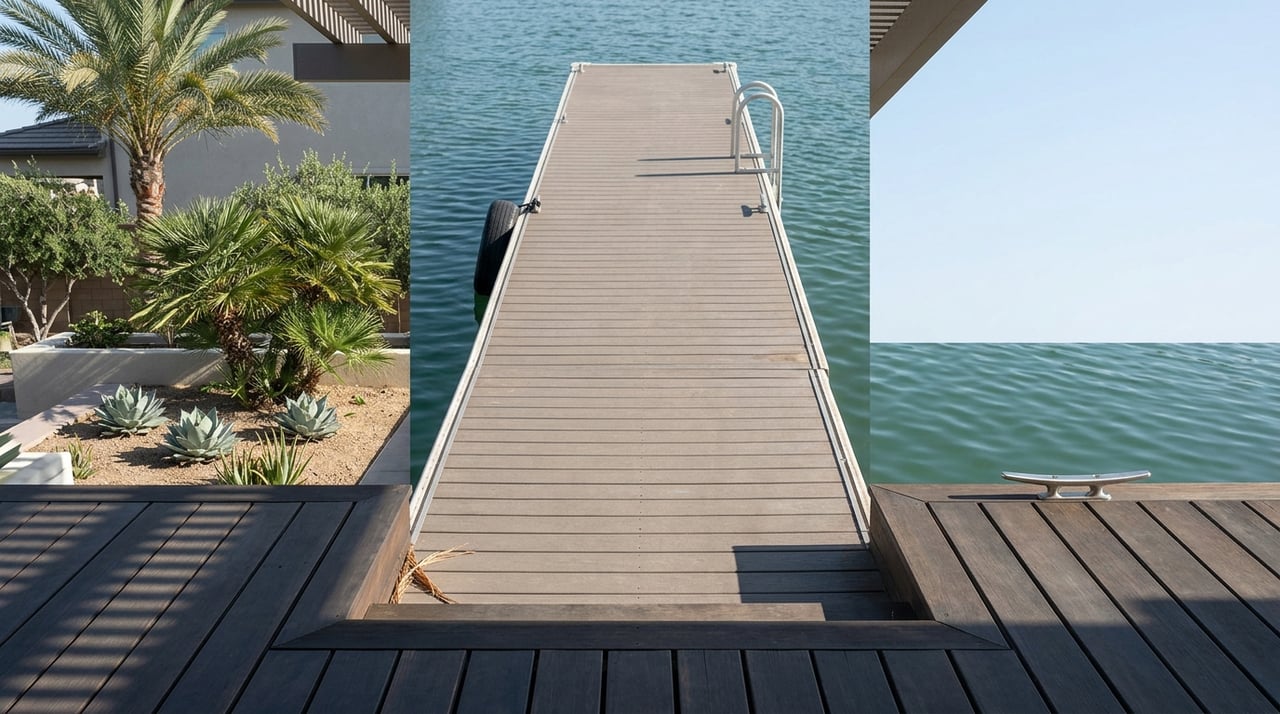
Confirm exactly what you own and what you are allowed to use. The difference between a deeded private dock, a shared slip, or a revocable permit can move price meaningfully. Document the dock type, capacity, and utilities like electrical or lighting. Buyers care about what the dock holds today and whether the rights are secure.
If the dock, boathouse, or seawall needs work, estimate those costs now. Visible rot, outdated hardware, or structural wear can become a hidden discount if you ignore them. Replacement and repair estimates help you make cleaner, defensible adjustments when you set your price.
Lot size above the high-water line, slope to the dock, and space for watercraft storage change daily utility for a buyer. Easy walks to the water and adequate parking for trailers or guests can support a stronger price.
Check setbacks and easements that could limit future dock changes. The more flexible and usable the lot feels, the more confident you can be about your pricing band.
Private-lake communities often set rules on boat size, hours, and dock construction. Monthly dues and any recent or planned special assessments also affect buyer math. Since net carrying cost impacts affordability, buyers tend to price these items in.
Be ready to summarize relevant rules and costs in writing. Clear documentation reduces friction and supports your list price during negotiations.
Flood zone classification, elevation, and historical events matter for insurability and premiums. Insurance availability and price influence buyer demand and may affect the price they are willing to pay.
Collect flood designations and obtain illustrative insurance quotes when you can. If insurability is favorable, highlight that. If premiums will be higher, plan a balanced adjustment in your pricing rationale.
The sales comparison approach is your foundation. Start with the most similar waterfront properties, then make measured adjustments you can defend.
Use recent waterfront sales from the same part of the lake, ideally within the last 6 to 12 months when available. Match exposure type, dock entitlement, orientation, and view quality before you weigh square footage and finishes. If you must expand the timeframe, explain why and keep the focus on true waterfront data.
If your comp mix includes homes with and without deeded docks, look for paired sales where the only major difference is dock entitlement or exposure. Use those pairs to estimate premiums for dock ownership, main-lake frontage, or wide water views. Cross-check with reasonable replacement cost numbers for tangible items like docks and seawalls.
If the market has moved since a comparable closed, time-adjust the price using local trend indicators. Consider seasonal patterns as well as the current interest rate environment, then document the logic. Even a small, transparent time adjustment can help align older comps with today’s market reality.
For unique homes, a cost overlay can help. If a property includes significant permitted dock structures, specialty boathouse improvements, or scarce shoreline features, the cost approach provides another way to validate the list price you derived from comps.
Use a simple inspection checklist to collect the details that influence price:
Document observations with dated photos and short notes on how each item might move value up or down.
Once your comps and adjustments are set, choose a pricing band that fits your goals and the market:
Waterfront marketing is visual. Consider selective repairs and staging that highlight view lines and remove buyer friction. High-quality photography, including aerials that show water exposure, can help justify the upper end of your band.
Buyers commonly ask about dock maintenance, flood risk, community rules, and boat size limits. Prepare a clean evidence packet that includes dock deeds or permits, recent repair invoices or contractor estimates, a flood summary, and a simple rules overview. When you answer with documentation, you protect your price and keep negotiations focused on value.
If showings or offers lag behind similar waterfront listings, re-check the data. Confirm market movement, verify that no new restrictions or assessments surfaced, and review your marketing for clarity and impact. Compare your days on market to the active waterfront average and listen to consistent feedback from buyers.
If the numbers and feedback point the same direction, consider a targeted price adjustment or a marketing refresh to highlight your strongest value drivers.
Canyon Lake pricing is part property science and part lifestyle story, and both must fit buyer financing. A partner who blends local brokerage skill with real mortgage experience can help you set the right band, remove surprises, and negotiate with confidence.
If you want a pricing strategy tailored to your shoreline, dock rights, and current market, connect with Jeff Wettstein for a one-to-one consultation. Know your home’s worth and your best path to the market.
Stay up to date on the latest real estate trends.




Get assistance in determining the current property value, crafting a competitive offer, writing and negotiating a contract, and much more. Contact me today.