Thinking about selling in the desert and wondering if timing really changes your outcome? In Palm Desert, it does. Seasonal visitors, event calendars, and the climate all shape buyer traffic and your final price. In this guide, you’ll get a clear listing calendar, staging tips for winter sunshine, and an open-house plan tied to local events so you can list with confidence. Let’s dive in.
Palm Desert’s prime listing window
The strongest selling window typically falls in late January through April. Cooler weather, returning seasonal residents, and marquee events lift buyer activity and showing quality. A secondary window appears in late October through early December, when early snowbirds arrive and conditions are comfortable.
Seasonality is consistent year to year, but you should align your date with fresh local metrics like days on market, inventory, and list-to-sale ratios to fine-tune pricing and expectations.
Month-by-month calendar
January
- Pros: Early-season shoppers arrive, comfortable weather, motivated buyers eager to buy before competition ramps up.
- Cons: Some seasonal residents arrive later in the month; holiday slowdown can linger.
- Strategy: Aim for mid-to-late January. Use professional photography that highlights natural light and outdoor space.
February
- Pros: Modernism Week and other winter draws increase visibility; strong intent among seasonal residents.
- Cons: Event schedules can compete for attention.
- Strategy: Time showings around event calendars. Target out-of-area prospects with digital marketing.
March
- Pros: Indian Wells tennis brings affluent visitors; spring momentum builds; deep buyer pool.
- Cons: Competing listings increase; short-term rental demand can keep some homes off the market.
- Strategy: List in early March. Emphasize lifestyle features like outdoor living and pools. Avoid open houses during peak tournament days.
April
- Pros: Peak tourism during Coachella and Stagecoach; strong interest in seasonal properties.
- Cons: Festival crowds complicate parking and local buyer access; many attendees are not active homebuyers.
- Strategy: Skip public open houses on festival weekends unless courting investors. Use private showings and broker previews.
May
- Pros: Pleasant weather and lingering spring activity.
- Cons: Some buyers pause as school calendars wind down; inventory can remain elevated from the spring surge.
- Strategy: If active, highlight move-in readiness. Reassess pricing if traffic slows.
June–August (Summer)
- Pros: Motivated local buyers and investors remain; less listing competition.
- Cons: Very hot weather reduces casual traffic; many seasonal residents are away.
- Strategy: If listing, schedule showings early or late in the day, lean on virtual tours, and price aggressively if you need speed. Otherwise, consider waiting for fall.
September
- Pros: Cooling temperatures and early return planning by seasonal residents; less competition as summer listings withdraw.
- Cons: Market reawakens gradually.
- Strategy: Prepare for an October launch. Refresh landscaping and run light “coming soon” campaigns.
October
- Pros: Early seasonal residents start shopping; great weather for showings.
- Cons: Short runway before holidays.
- Strategy: List in late October to capture early snowbirds. Emphasize low-maintenance landscaping and easy winter occupancy.
November
- Pros: Solid showings from arriving seasonal residents; potentially less competing inventory.
- Cons: Holidays can disrupt schedules; Thanksgiving weekend yields mixed results.
- Strategy: Avoid holiday weekends for open houses. Stress turnkey and lock-and-leave features.
December
- Pros: Serious, often well-qualified buyers still shop; tasteful holiday touches can help presentation.
- Cons: Reduced attention as many buyers and agents travel; days on market may stretch.
- Strategy: Keep online visibility strong and décor minimal. If possible, relist or refresh in early January.
Staging for winter sunshine
Exterior impact
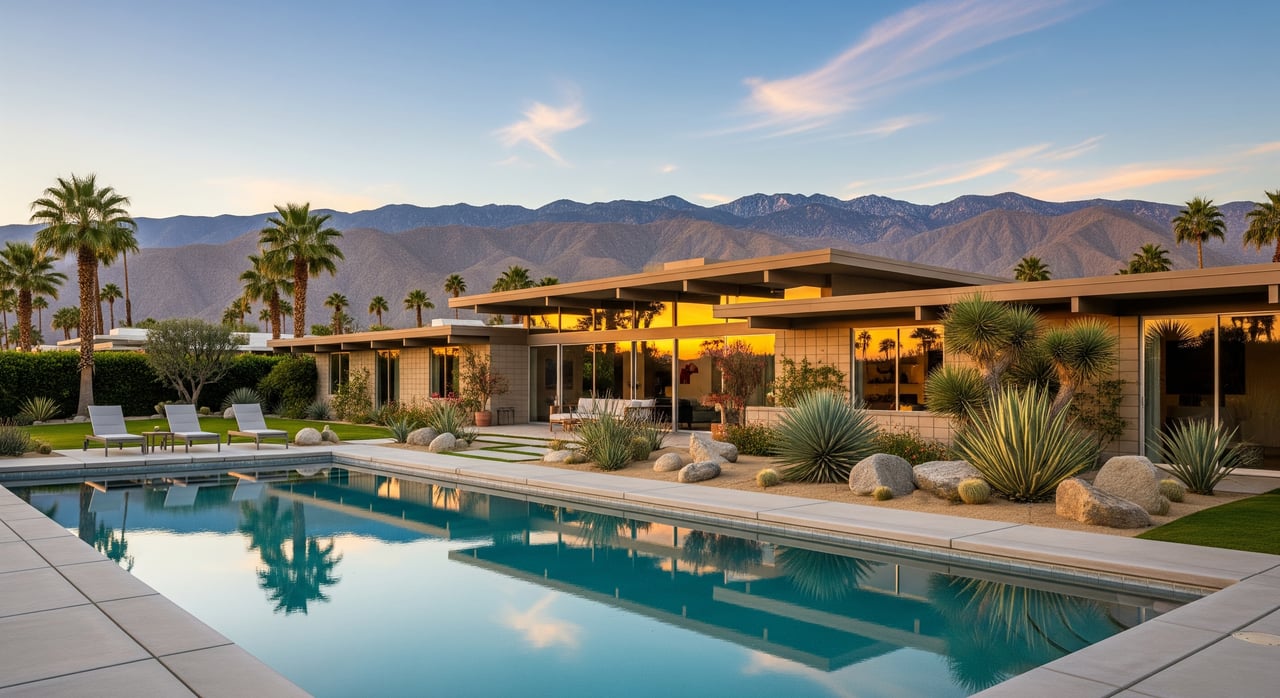
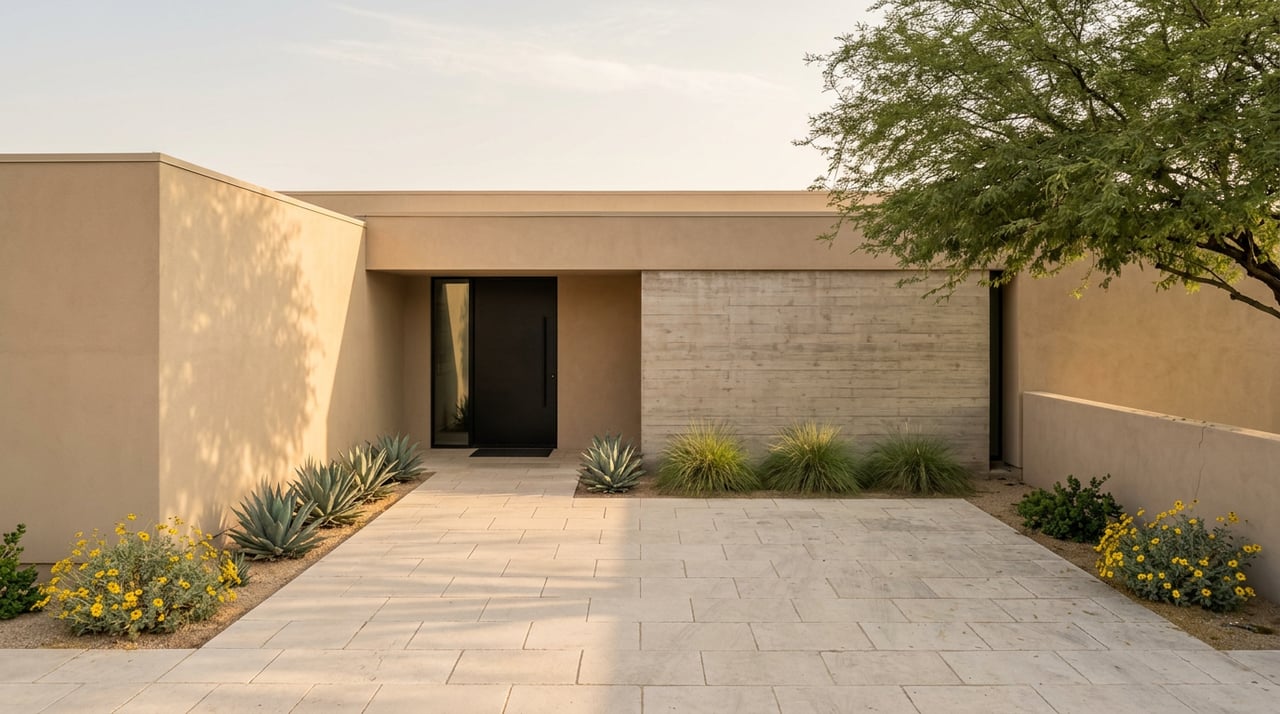
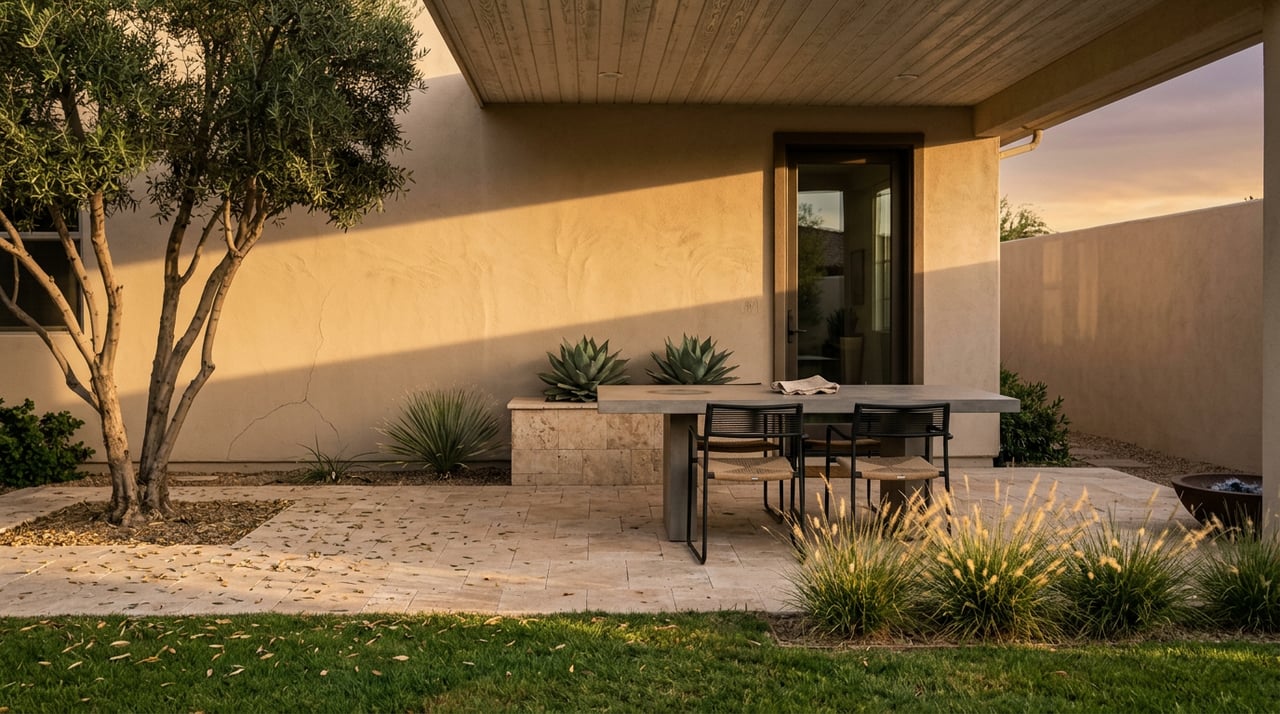
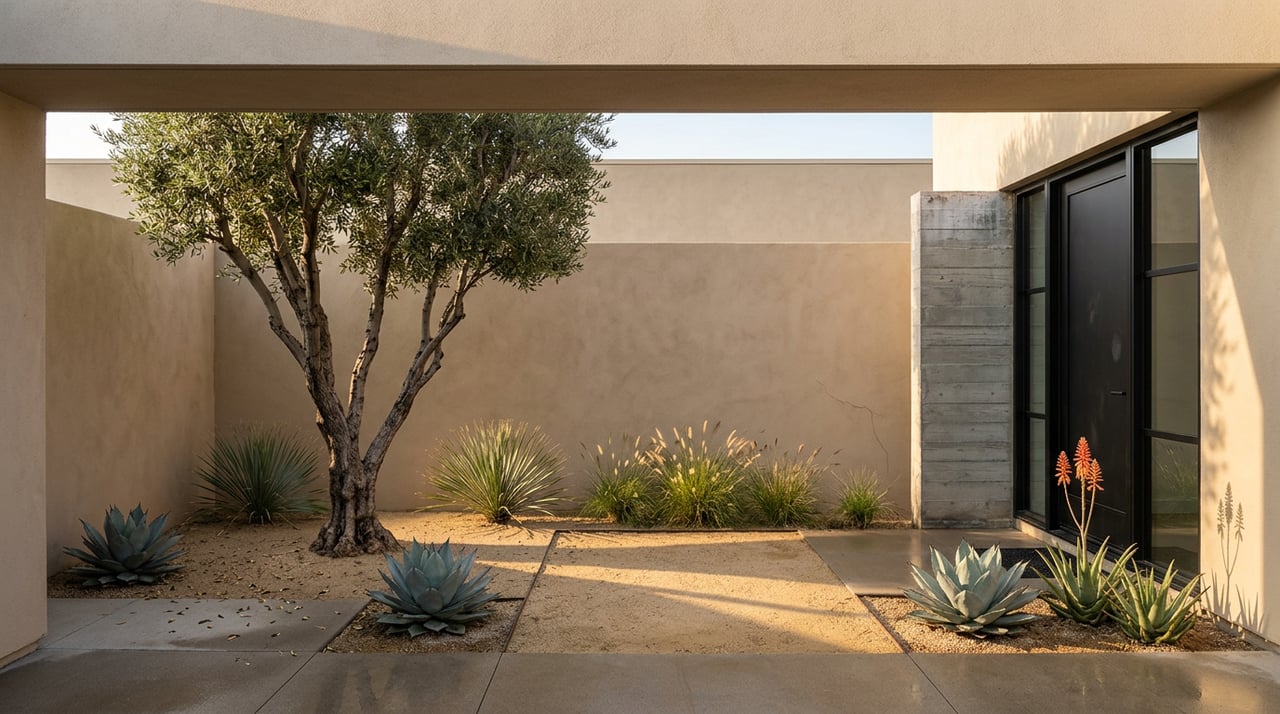
- Use drought-tolerant curb appeal with clean rock beds, healthy native plants, and fresh pots for color.
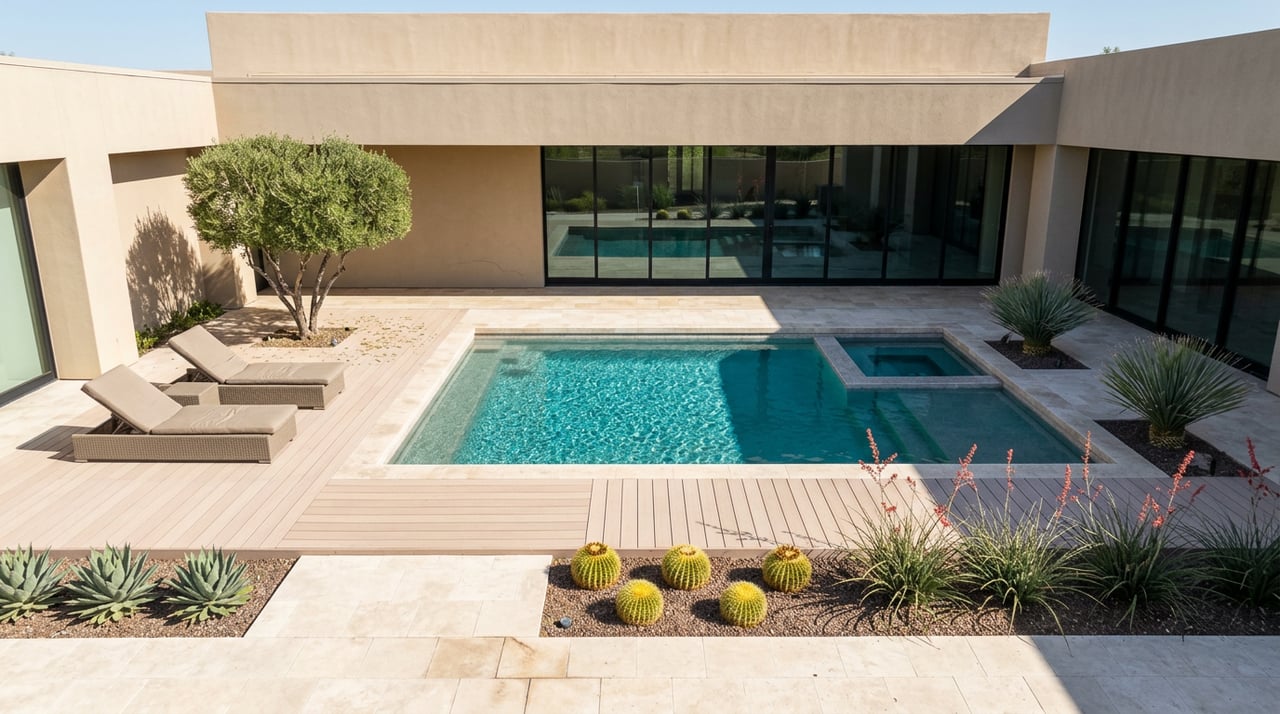
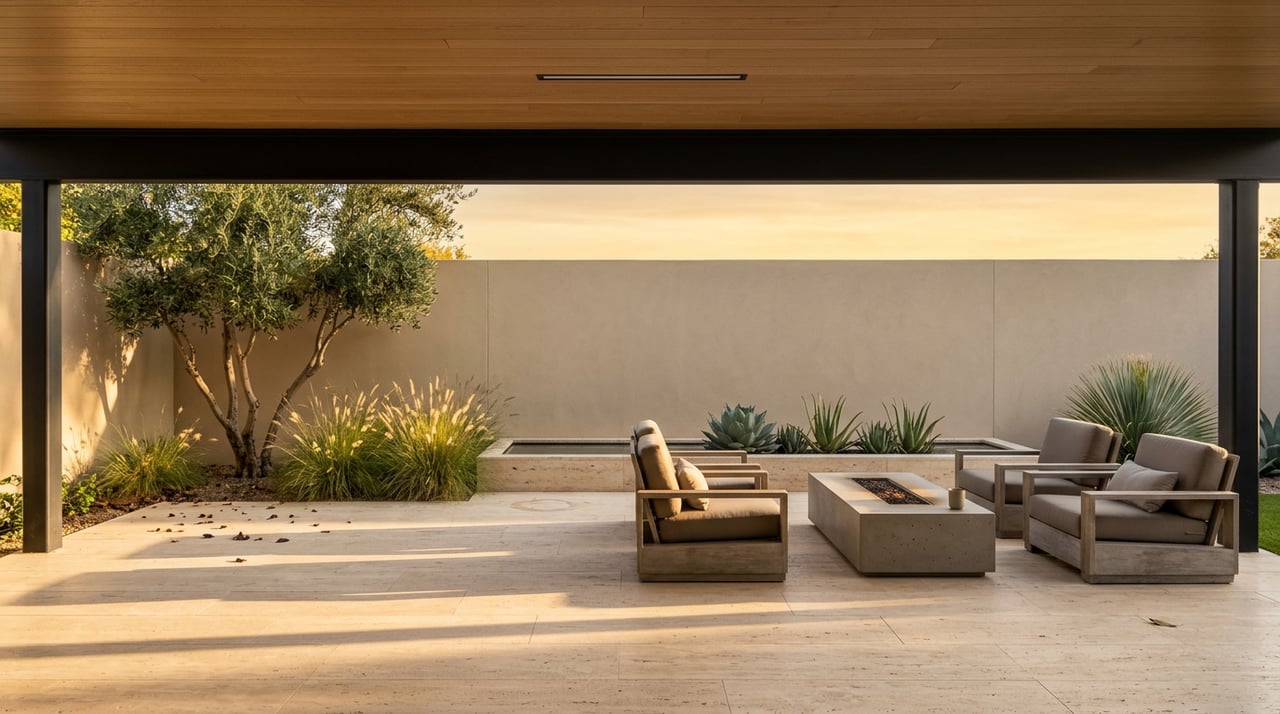
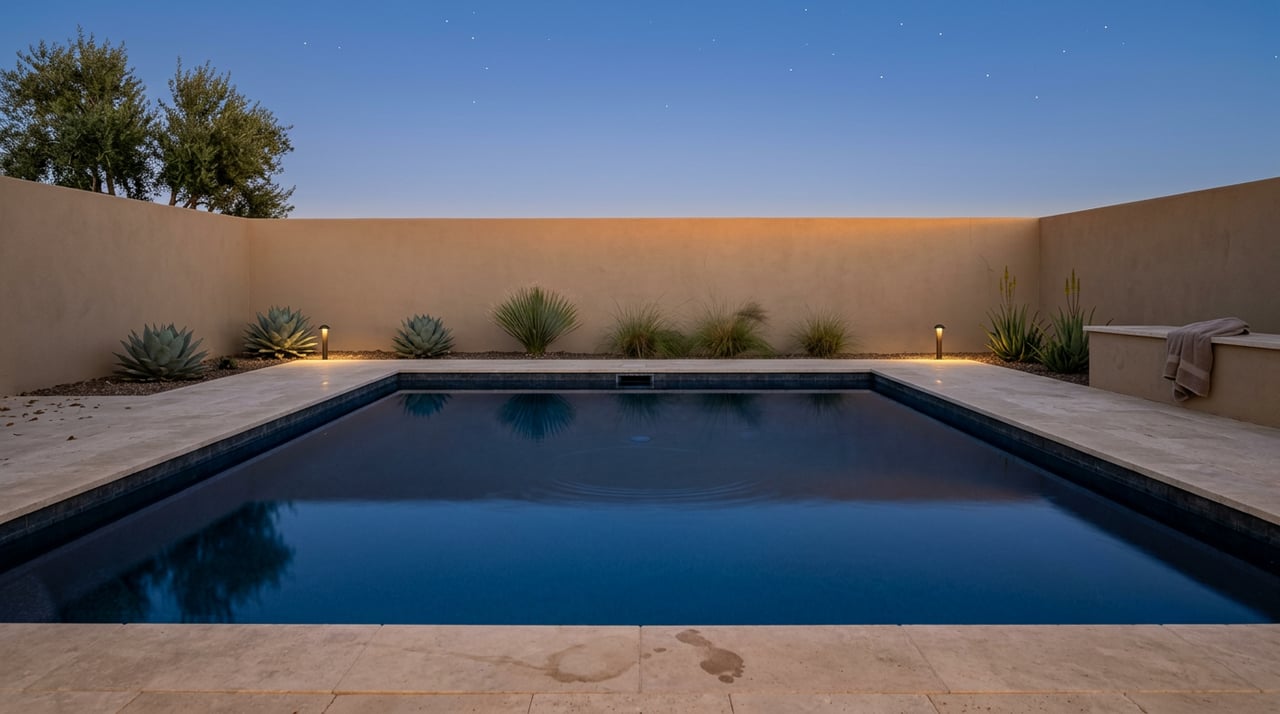
- Showcase the pool and outdoor living with clean surfaces, umbrellas, and defined seating zones.
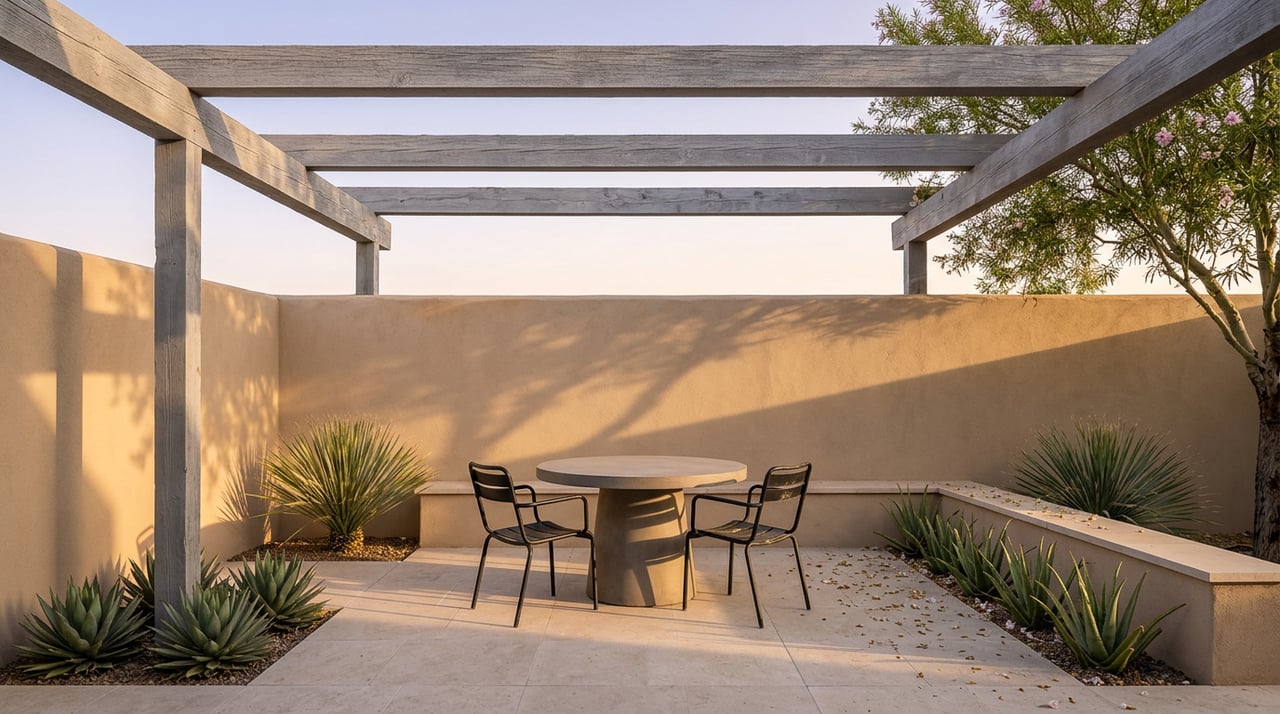
- Highlight shade and cooling features like pergolas, awnings, and misting systems.
- Capture twilight photos with pathway lighting and subtle string lights for lifestyle appeal.
Interior comfort
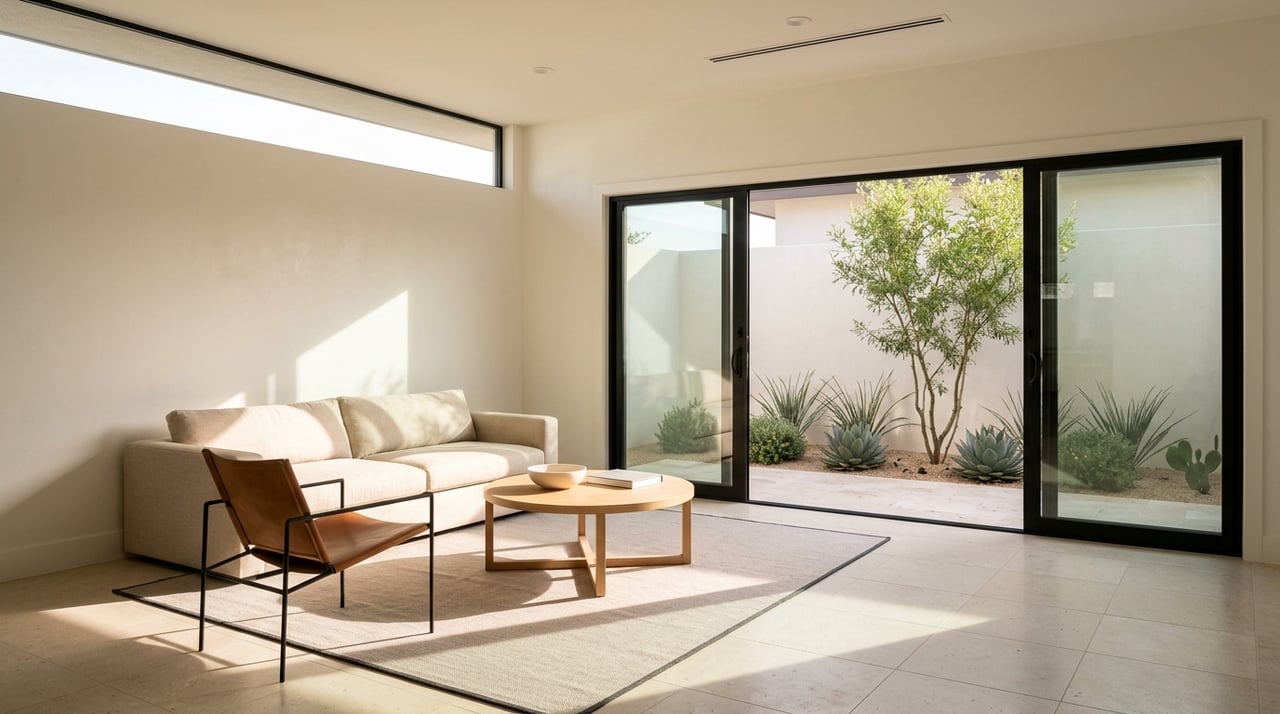
- Maximize natural light with open shades and light, warm color palettes.
- Ensure HVAC is tuned and visibly comfortable during showings.
- Simplify for low-maintenance living by decluttering and showing strong storage solutions.
- Stage with a relaxed, resort feel using light woods and neutral textiles.
Photos and virtual assets
Shoot on clear days to capture blue skies and sparkling water.
Include twilight exterior images of patios and pools.
Provide a virtual tour and a floor plan to serve out-of-area buyers.
Add short lifestyle clips that show proximity to shops and recreation when appropriate.
Maintenance prep
- Service the pool, AC, and irrigation.
- Refresh sun-faded trim, fix cracked pavers, and clean exteriors.
- Assemble maintenance records and recent service receipts to reassure seasonal and second-home buyers.
Open-house strategy around events
Know the calendar
Large events like Modernism Week, the Indian Wells tennis tournament, Coachella, and Stagecoach affect traffic and who is in town. Confirm current-year dates before planning your schedule.
Tactics that work
- Prioritize broker previews and private agent showings during major festivals to avoid parking issues and tourist-focused traffic.
- Host weekend open houses on non-event weekends in winter. Midday slots showcase the best light and comfortable conditions.
- Consider twilight opens in cooler months to highlight outdoor lighting and evening lifestyle.
- Coordinate parking and signage in advance, especially near event venues.
Regulations and HOAs
Confirm city and HOA rules for signage and open-house permissions. If you plan to market to investors, verify short-term rental regulations before referencing rental potential.
Pricing and finance timing
Pricing is season-sensitive. In winter and early spring, price competitively to capture a larger buyer pool. In summer, anticipate longer timelines or use a sharper price to engage motivated buyers and investors.
Mortgage rates and lending policies can quickly change buyer budgets and urgency. Align list timing with your financing strategy, and be ready to adjust terms, credits, or timing if rates move.
What to check before you pick a date
- Median days on market by month for Palm Desert.
- Months of inventory and new listing volumes.
- Median sold price and price per square foot by month.
- List-to-sale price ratios by month.
- Closed sales counts and buyer origin trends, if available.
- Short-term rental rules and any recent city or HOA changes.
- Event calendars and typical visitor volumes for key weeks.
Common pitfalls to avoid
- Treating festival attendance like buyer demand. High foot traffic does not always mean high-quality showings.
- Ignoring rapid rate changes that can overshadow normal seasonality.
- Using generic staging that misses the indoor-outdoor lifestyle that sells in the desert.
- Scheduling open houses during peak event congestion without a parking plan.
Ready to pick your date with confidence? Get a tailored calendar, pricing plan, and finance strategy for your home. Connect with Jeff Wettstein for one-to-one guidance, creative seller options, and a clear plan to win in Palm Desert.
FAQs
What is the best month to list in Palm Desert?
- The strongest window usually runs from late January through April, with a secondary opportunity from late October to early December.
Should I list during Coachella or Stagecoach weekends?
- You can stay active, but skip large public open houses; use private showings or broker previews to avoid tourist-heavy traffic and parking issues.
How does summer heat affect showings in Palm Desert?
- Summer reduces casual traffic. Schedule showings in cooler hours, lean on virtual tours, and price for motivation if speed matters.
Are investors and short-term rentals a big factor locally?
- Investor interest is common due to tourism, but rules vary by city and HOA. Verify current regulations before marketing rental potential.
How should pricing change by season in Palm Desert?
- Price competitively in winter and early spring to meet a larger buyer pool; in summer, expect longer timelines or use a sharper price.
What if mortgage rates change right before I list?
- Rates can shift demand quickly. Adjust timing, credits, or terms and pair your listing plan with current financing guidance to stay competitive.