Moving From Coastal California to Coachella Valley
Thinking about trading ocean breezes for mountain views and more space in your budget? If you are relocating to Coachella Valley from coastal California, the move can feel exciting, but it also comes with real lifestyle changes. The good news is that Palm Desert gives you a clear mix of desert living, varied housing options, and a different cost picture than many coastal markets. Let’s dive in.
Palm Desert describes itself as the cultural and retail center of the desert communities. The city reports about 53,087 permanent residents and roughly 32,000 seasonal residents, which helps explain why the area often feels both residential and resort-influenced. That seasonal pattern can shape everything from traffic at certain times of year to the overall pace of life.
If you are moving from places like San Diego, Los Angeles, or Irvine, the biggest difference is usually the climate. NOAA data shows Palm Springs Regional Airport averages just 4.61 inches of annual precipitation, compared with 9.79 inches in San Diego and 12.23 inches at LAX. Summer temperatures are also much hotter, with an average July high of 108.6°F in Palm Springs versus about 75°F in both San Diego and Los Angeles.
That weather shift changes how you live day to day. You give up cooler summers and coastal influence, but you gain year-round sunshine, desert scenery, and a strong outdoor lifestyle centered on hiking, golf, and resort-style amenities. Palm Desert also highlights city hiking trails and access to the Santa Rosa and San Jacinto National Monument, which makes outdoor recreation a real part of local living.
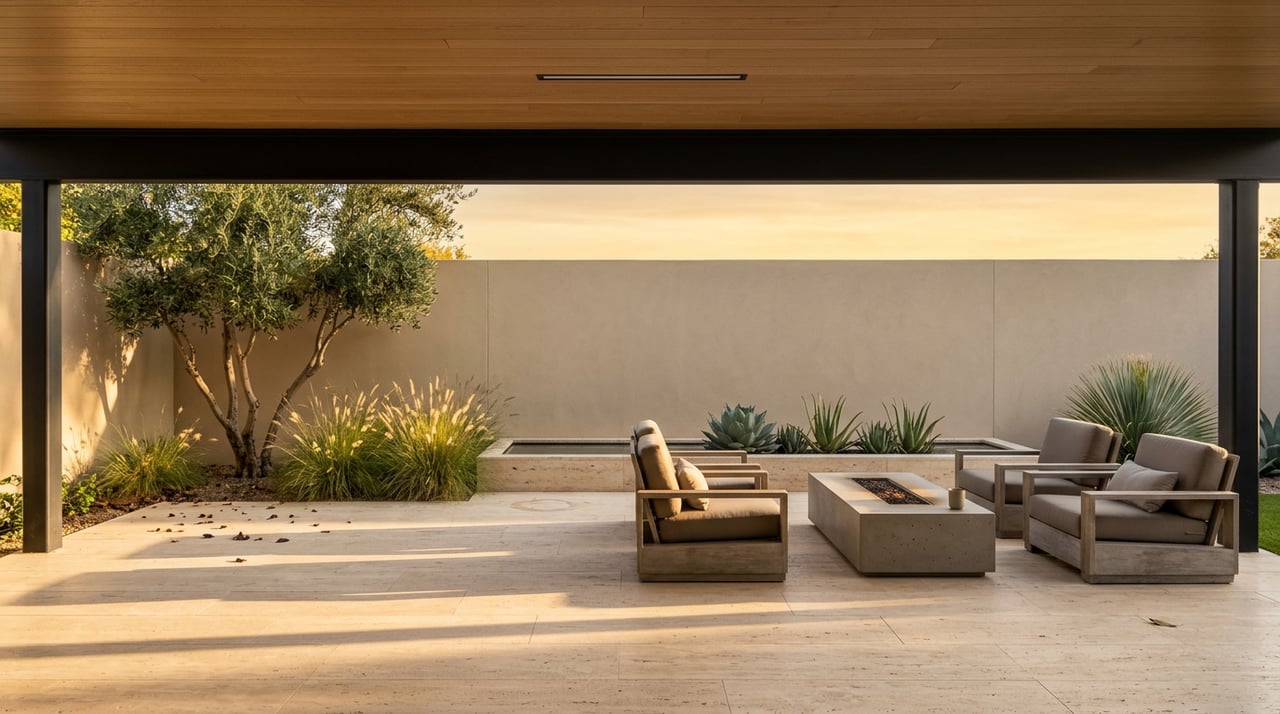
For many buyers, the move is not only about getting out of a high-cost coastal market. It is also about finding a setting that feels more relaxed, more open, and often more tailored to indoor-outdoor living. Palm Desert is especially appealing if you want a home base that supports recreation and a warmer desert lifestyle.
You may also notice a different rhythm here. With a median resident age of 55.1, according to the city, Palm Desert has a mature, established feel in many areas. That does not define every neighborhood or every buyer, but it does help explain the calm, resort-oriented atmosphere many people notice when they arrive.
One common misconception is that Palm Desert is only about large desert homes behind gates. In reality, the city’s code compliance and planning materials show a broader housing mix that includes single-family homes, condos, duplexes, multi-family units, mobile homes, and other property types. That variety gives relocation buyers more ways to match a home to their budget and lifestyle.
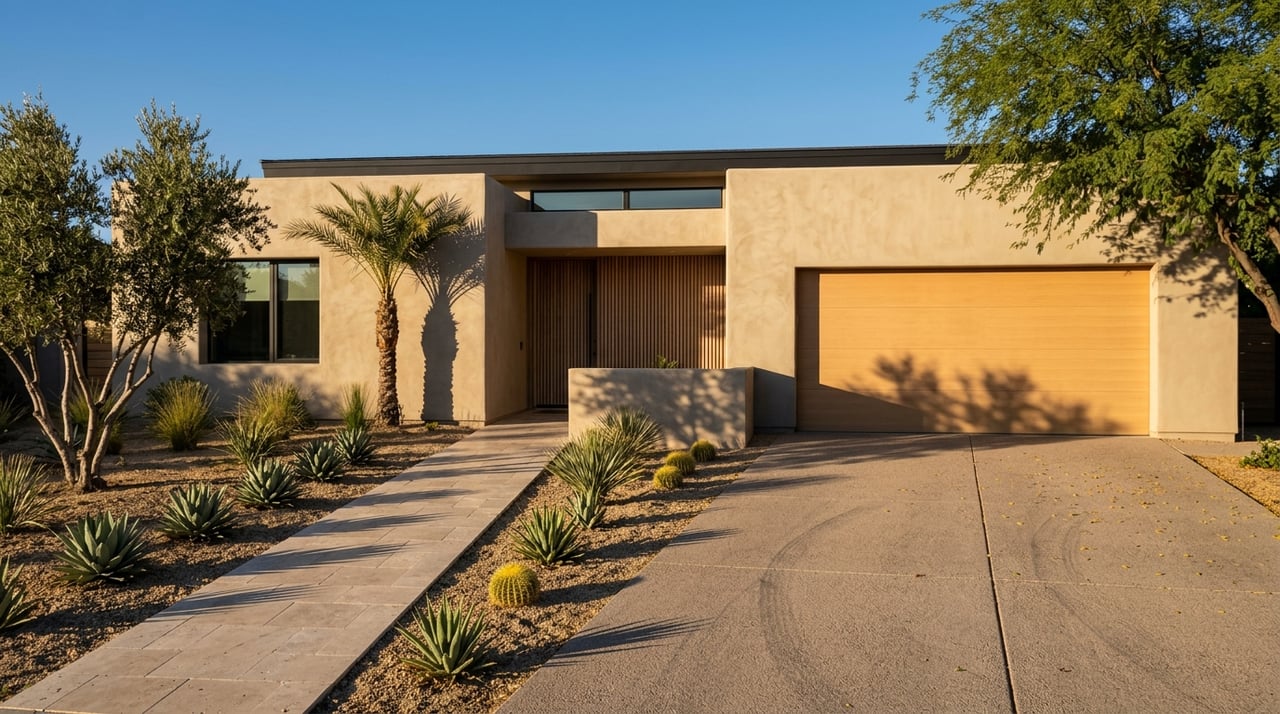
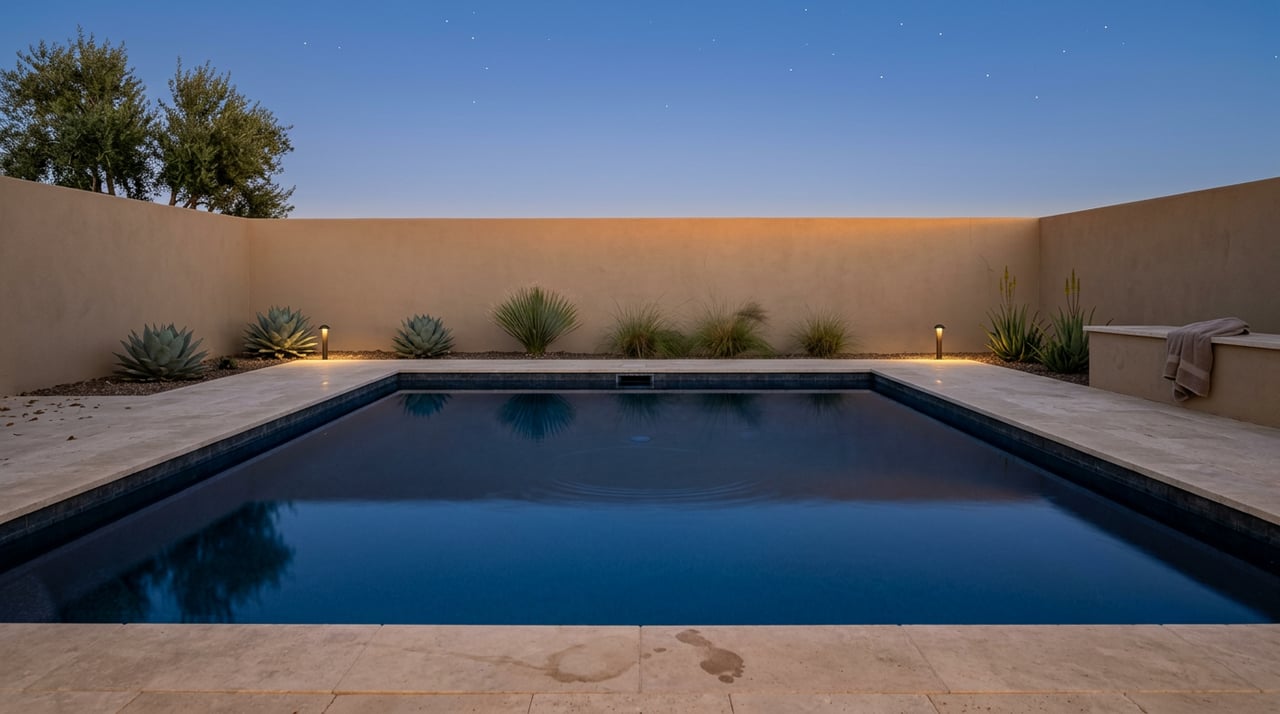
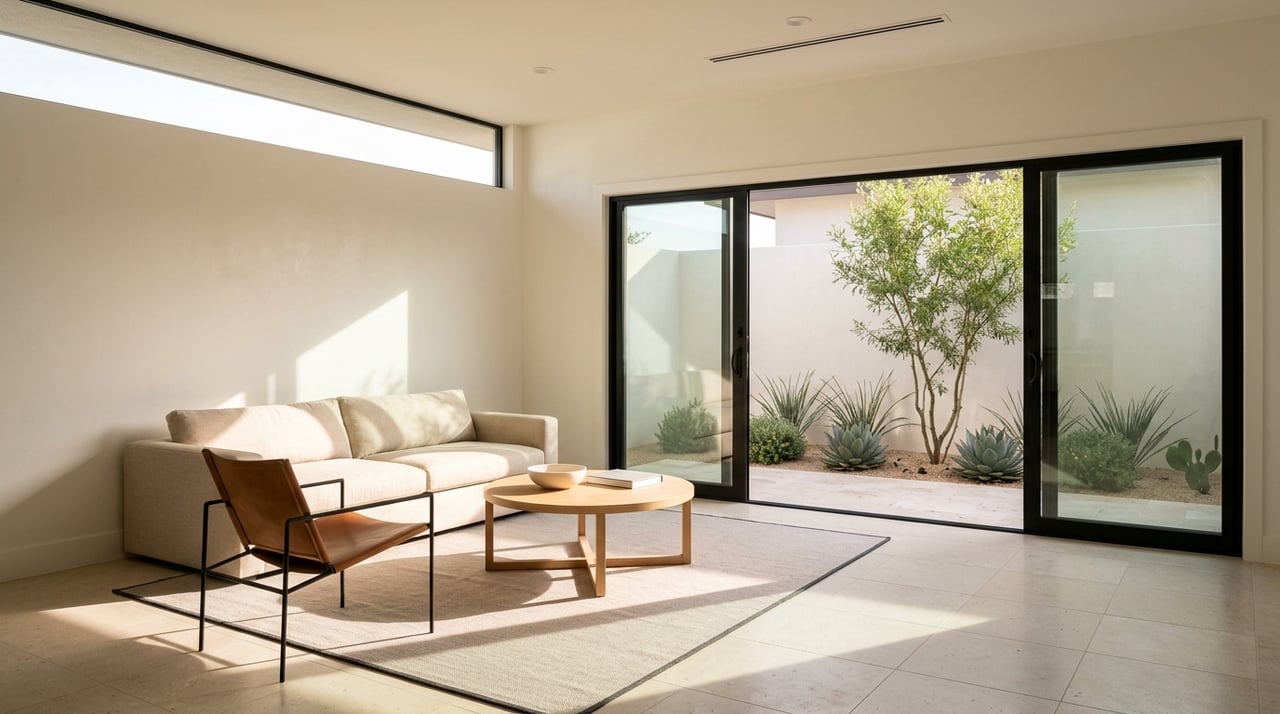
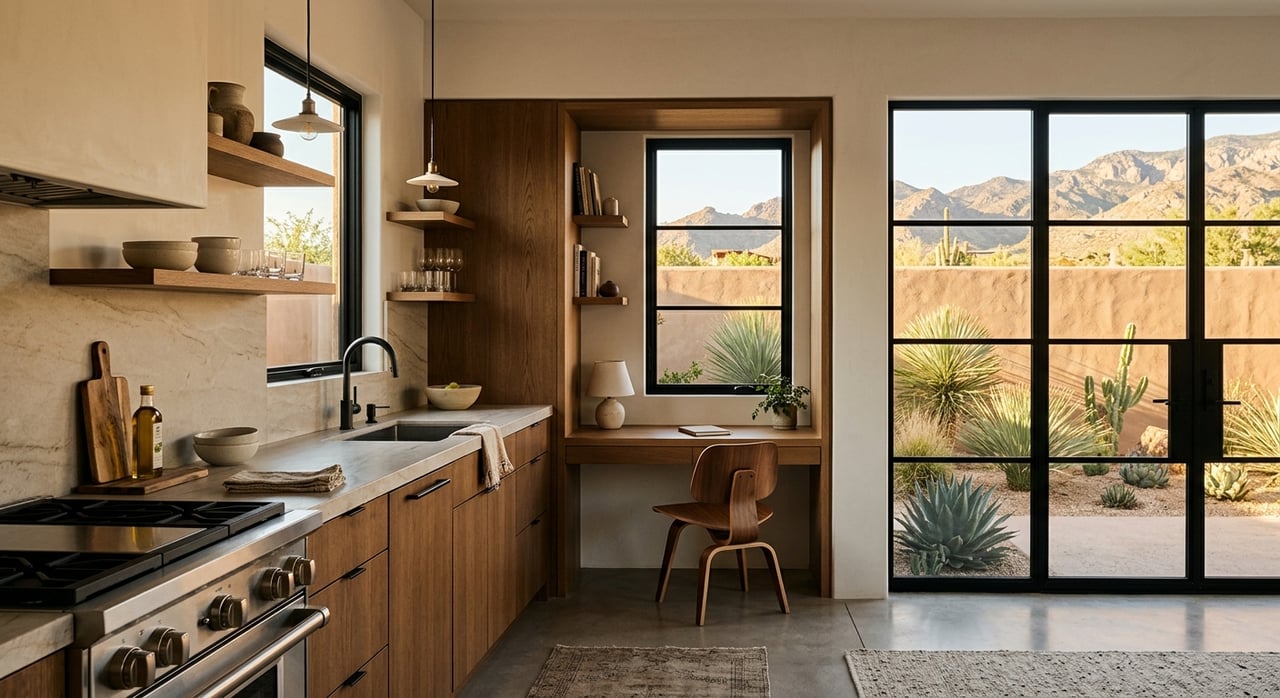
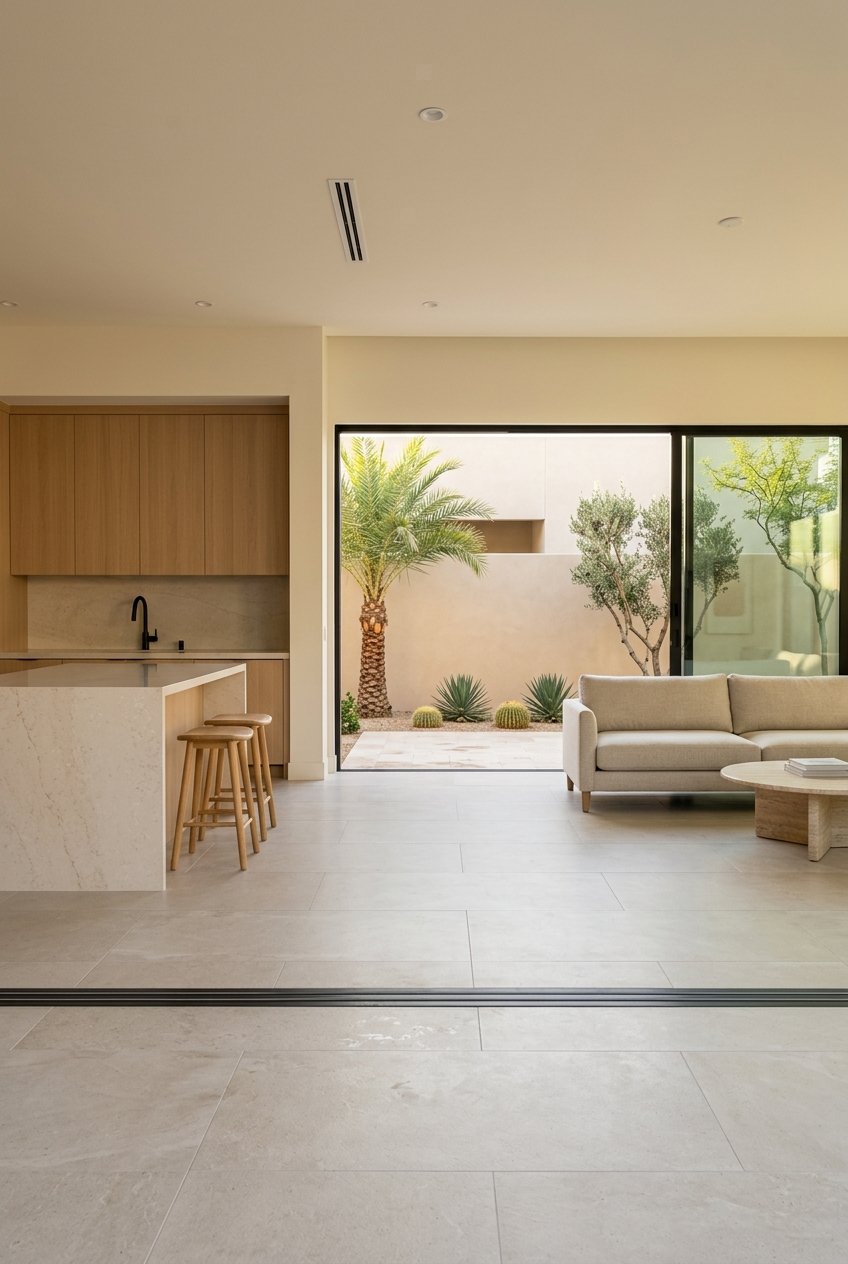
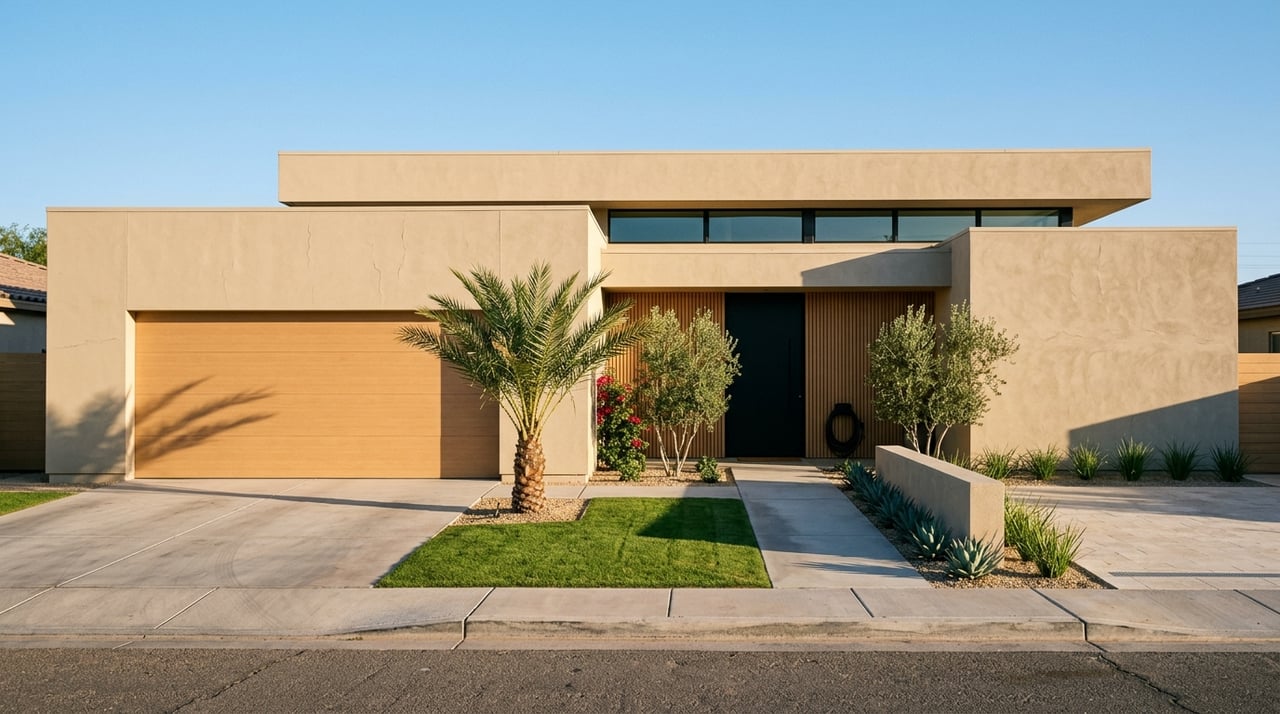
Architecture is another part of Palm Desert’s appeal. City planning materials reference mid-century modern design, and specific plan documents point to desert mid-century modern and contemporary desert architecture. If you like clean lines, natural light, and homes that connect well to outdoor space, Palm Desert often delivers that look.
Lot size may be different from what you expect. Some newer master-planned areas can be more compact than the classic big-lot desert image. For example, the Millennium Palm Desert Specific Plan sets a minimum lot size of 3,800 square feet in one single-family planning area, along with minimum width and depth standards.
That matters if you are coming from the coast with a certain picture in mind. You may find a detached home, but not always on a sprawling lot. In some communities, the tradeoff is a more managed setting, lower-maintenance design, or access to shared amenities.
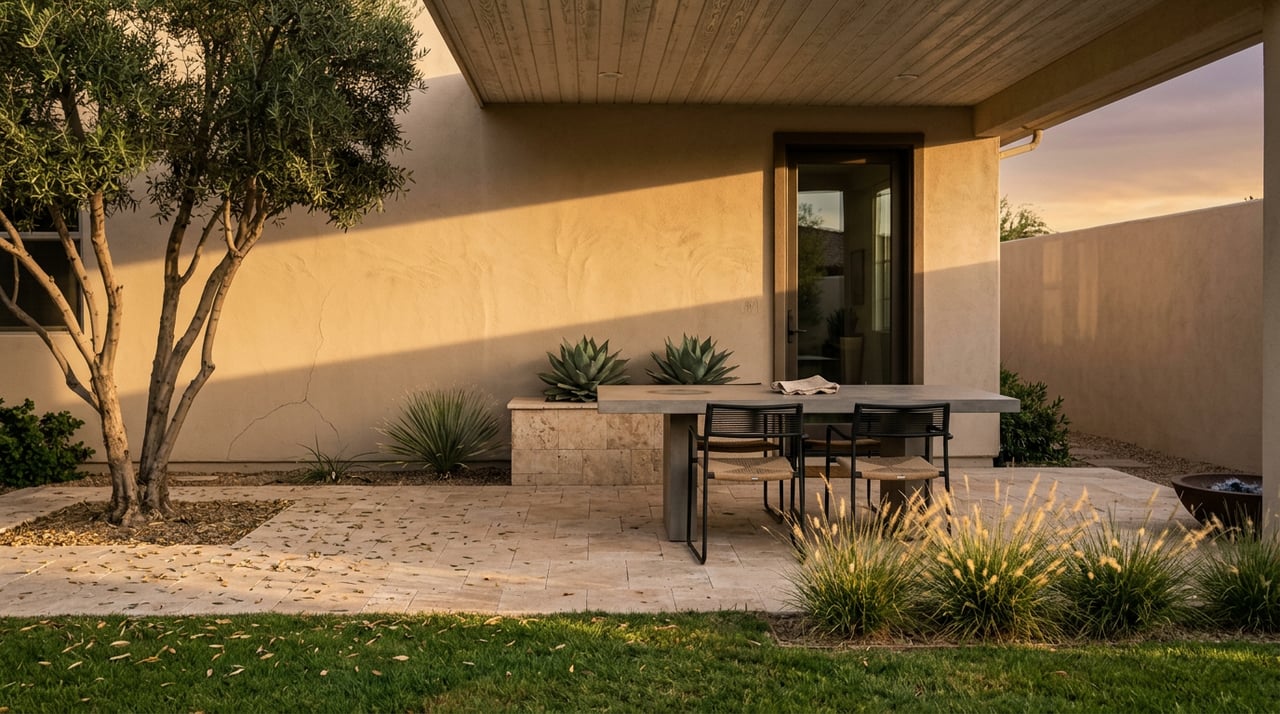
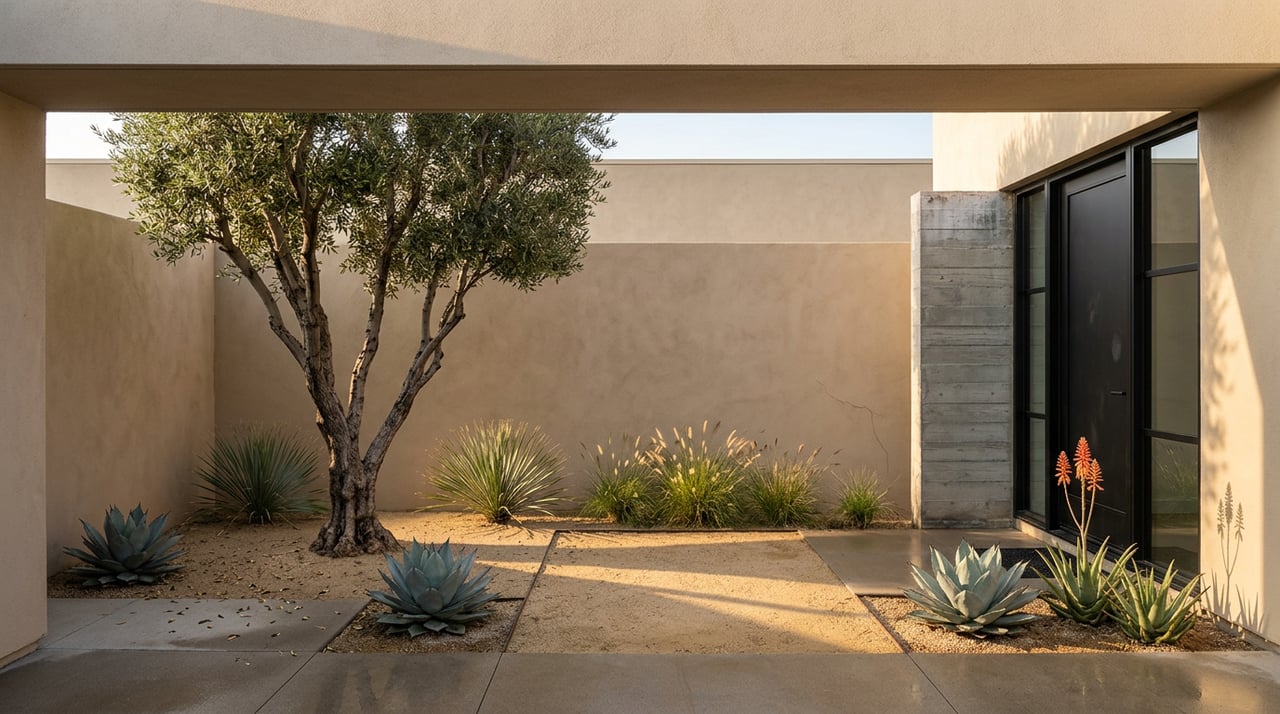
A move to Palm Desert is also a move into a different style of homeownership. The city’s Falcon Crest housing example includes drought-tolerant landscaping and HOA-maintained front yards, which reflects how many communities are designed for water-conscious upkeep and simpler maintenance. That can be a plus if you want easier day-to-day property care.
Local ownership also comes with desert-specific responsibilities. Palm Desert code compliance notes that vacant lots must be cleared of dry grass and dead vegetation. In practical terms, fire-wise maintenance and thoughtful landscaping are part of owning property in this environment.
If you are relocating from coastal California, this is worth planning for early. A home’s appearance, landscape design, and monthly ownership costs may reflect not just the property itself, but also HOA services and local maintenance expectations.
For many relocation buyers, cost is one of the biggest reasons to consider Palm Desert. Census QuickFacts report the median value of owner-occupied housing units in Palm Desert at $491,600. The same source puts median selected monthly owner costs with a mortgage at $2,582 and median gross rent at $1,717.
Compared with several coastal California markets, those numbers are meaningfully lower. Census data shows median owner-occupied home values of $906,700 in San Diego, $921,200 in Los Angeles, and $1,191,500 in Irvine. Median monthly owner costs with a mortgage are also higher in those cities, at $3,252 in San Diego, $3,399 in Los Angeles, and more than $4,000 in Irvine.
Rent follows a similar pattern. Median gross rent is $2,313 in San Diego, $2,997 in Irvine, and $3,399 in Los Angeles, versus $1,717 in Palm Desert. In broad terms, that means your housing dollar may go further here than it does along the coast.
Still, it is important not to oversimplify the math. Community type, amenity packages, and HOA dues can affect your monthly costs in a meaningful way. A condo, a golf-oriented community home, and a detached home in a newer planned area may each create a very different monthly budget even if the purchase prices look similar at first glance.
If you work locally, Palm Desert can offer a manageable routine. Census QuickFacts list the city’s mean travel time to work at 22.4 minutes. That is comparable to San Diego at 23.5 minutes and lower than Los Angeles at 30.7 minutes.
The bigger shift is regional geography. Coachella Valley is largely a driving region, with I-10 serving as the primary east-west route according to Caltrans and CVAG transportation materials. SunLine’s fixed-route network is local to the Coachella Valley, with one regional route.
SunLine’s 10 Commuter Link is a weekday route connecting the Coachella Valley with western Riverside and San Bernardino County over a 92-mile route. That means transit exists, but it is built around inland travel patterns. If you plan to keep a job tied to coastal counties, your biggest challenge may not be your local commute in Palm Desert, but the longer cross-region drive.
Before relocating to Palm Desert, it helps to get specific about what you want your next chapter to look like. A desert move often works best when your home choice, budget, and daily routine all match the realities of the area.
Here are a few smart questions to ask yourself:
These questions can help narrow your search quickly. They also make it easier to compare communities based on how you actually plan to live, not just how a listing looks online.
A relocation move is about more than comparing home prices. You are also weighing climate, housing style, lot patterns, transportation, and the ongoing cost of ownership. In a market like Palm Desert, those details matter because two homes at similar price points can offer very different lifestyles and monthly obligations.
That is where working with a local advisor can save you time and help you make better decisions. When you have clear guidance on both the neighborhood side and the financing side, it becomes easier to judge what is truly a better fit for your goals.
If you are thinking about relocating to Palm Desert from coastal California, Jeff Wettstein can help you evaluate neighborhoods, compare housing options, and make sense of the numbers with one-on-one local guidance.
Stay up to date on the latest real estate trends.
Get assistance in determining the current property value, crafting a competitive offer, writing and negotiating a contract, and much more. Contact me today.